
Category

Health

Category

Chronic pain can impact your productivity and diminish your quality of life. Integrated Pain Management is a holistic approach to treating the whole body instead of focusing on individual symptoms. IPM practitioners employ evidence-based techniques to ensure optimal results for your Great Neck, NY pain management therapy.

How IPM works

IPM (Integrated Pain Management) is a holistic approach that factors in multiple patient attributes to manage pain. Unlike conventional medicine, practitioners make an extra effort to uncover the source of discomfort.

IPM considers the patient’s beliefs, hobbies, and preferences when developing the treatment plan. Your prescription may factor in sleep quality, diet, and emotional health, for the best outcomes.

The approach seeks to empower people experiencing chronic pain to play an active role in pain management. Practitioners recognize that chronic pain is a complex and multidimensional problem. Therefore, an IPM program will encourage collaboration between patients, family members, and healthcare specialists.

Because chronic pain is multidimensional, analgesia alone cannot address the problem conclusively. IPM addresses pain by applying a variety of treatment modalities to alleviate symptoms. A holistic approach may include physiotherapy, nutrition therapy, and posture therapy, amongst others.

PRP for chronic pain management

PRP (Platelet-Rich Plasma) is one of the IPM treatment modalities your provider may use to manage pain. PRP is a plasma with a higher-than-normal concentration of platelets. The solution consists of growth factors that regulate your immune response and facilitate wound healing.

If you have lower back pain, your IPM specialist may inject PRP into your lower back. The growth factors in PRP will then work with stem cells to regenerate cells and tissues. By healing damaged tissue, PRP relieves pain and restores spinal function.

PRP injections can also be effective for treating:

  • Neck pain
  • Rotator cuff tears
  • Achilles tendonitis
  • Plantar fasciitis

How nutrition helps with pain management

Nutrition therapy is one of the essential holistic treatment modalities in IPM programs. A balanced diet is crucial for regulating your body’s immune response and reducing the risk of chronic diseases. Health problems like obesity or lifestyle habits like smoking can intensify symptoms, which may complicate long-term pain management.

Research suggests that micronutrient deficiency may increase your susceptibility to fibromyalgia. Fibromyalgia is a condition that causes pain across the body, accompanied by fatigue, memory loss, and insomnia.

IPM urges patients to incorporate anti-inflammatory agents like fruits, vegetables, and unsaturated fats into their diet. Micronutrients like Zinc, Vitamin B12, and Magnesium may alleviate hyperalgesia symptoms.

Hyperalgesia is a condition characterized by heightened sensitivity to pain. The body overacts to painful sensations, where there would only be little discomfort. Animal models suggest micronutrient supplementation can alleviate hyperalgesia symptoms.

Radiofrequency ablation for pain management

IPM utilizes non-invasive techniques to reduce pain with minimal side effects after the procedure. RFA (Radiofrequency Ablation) is the controlled destruction of tissue using thermal energy. An applicator directs heat to nerve tissue, preventing pain signals from returning to the brain.

The non-surgical procedure can reduce pain and restore body function. RFA often treats long-term conditions and may delay or eliminate the need for surgery.

Contact AABP Integrative Pain Care for your pain management consultation today.

Varicose veins often appear as twisted, enlarged dark purple or red veins. They affect both genders but are more common in women. Varicose veins can form in many body parts but are more common in the lower legs. In men, they can develop in the testicles and may lead to infertility. Sebring varicose veins can cause pain, swelling, heaviness, and achiness over the bulged veins. Being overweight, pregnant, aging, menopause, standing for long periods, obese, and having a family history of varicose veins can increase your chances of developing varicose veins. People associate varicose with many myths and misconceptions, and below are some. 

Varicose veins only affect old people

Even though varicose veins are common in older adults, they can happen at any age. Aging is one of the risk factors for varicose veins. About one out of two individuals with varicose veins are over fifty years old. Varicose veins can develop at any age due to genetic factors, standing or sitting in one position for a prolonged time, being overweight, and pregnancy. You can manage your weight and stay active to minimize the chances of developing varicose veins.

Varicose veins are just a cosmetic issue

Most people seek medical treatment to improve leg appearance, but they also cause symptoms like pain, swelling, and itchiness. Sometimes varicose veins symptoms can be extreme, preventing you from doing daily duties. In some people, varicose veins are not noticeable because they are located deep in the skin but may cause discomfort. Varicose veins can also lead to severe complications like blood clots, requiring immediate medical care.

Varicose veins only affect women

Although varicose veins are more common in women, they also affect men. Women undergo many body changes, like during pregnancy or menopause, increasing their chances of developing varicose veins. In men, varicose veins can be caused by a family history of varicose veins, sitting for prolonged periods, aging, being overweight, or tobacco use. Men have fewer factors that can increase the chance of having varicose veins than women.

Surgery is the only treatment for varicose veins

Surgery is not the only treatment for varicose veins. There are many treatments for varicose veins, including compression stockings, endovenous laser therapy, ligation and stripping, sclerotherapy, and radiofrequency. Doctors mostly recommend surgery if you have larger veins or other treatment techniques are ineffective. Lifestyle changes like foot elevation, reducing weight, and exercising can also help reduce varicose veins symptoms.

Varicose veins always recur after treatment

With the advanced technology in the medical field, there are many treatment options that can help eliminate your varicose veins permanently. For example, laser treatments address your varicose veins symptoms and eliminate the veins permanently. If a certain treatment method does not improve your varicose veins, your doctor will use a different one to achieve the best results. In other treatments like sclerotherapy, your doctor may recommend two or more sessions to eliminate your varicose veins.

Varicose veins often appear as twisted, enlarged dark purple or red veins. They may or not cause symptoms. If they do, you may experience pain, swelling, and itchiness. Schedule an appointment at Florida Lakes Vein Center for varicose veins treatment to relieve your leg pain and swelling.

Chronic pain is any pain that lasts more than three to four months. While acute pain is the normal sensation that alerts you to an illness or injury, chronic pain persists for a few months or even longer. According to medical statistics, chronic pain is estimated to affect around twenty percent of U.S. adults. Alliance Spine Associates, LLC provides pain management solutions to enhance your musculoskeletal function and ease the pain. Normally, chronic pain is caused by chronic diseases, nervous system dysfunction, musculoskeletal injury, and autoimmune disorders. Here is a look at the common types of chronic pains.

Chronic Headaches

A chronic headache occurs for more than fifteen days per month for over three consecutive months. According to research, around fifty percent of adults in America report a headache annually, with around ninety percent reporting a lifetime history of headaches. The common types of chronic headaches are; migraines, tension headaches, eye strain headaches, and cluster headaches. You should consider medical pain management options if you have ongoing or severe headaches that don’t go away with simple home remedies.

Chronic Back Pain

Back pain is an epidemic in the U.S. and is the top cause of disability and lost productivity in workplaces. Research by the University of North Carolina, more than 84% of adults in America will experience chronic back pain at some point during their lifetime. Back pain is often caused by an injury or develops gradually due to osteoporosis, arthritis, or the normal process of wear and tear. Other causes of chronic back pain include; spinal stenosis, bulging or slipped discs, compression fractures, and structural deformities such as lordosis and scoliosis.

Chronic Nerve Pain

According to research, neuropathic pain affects one in every ten Americans. The nerve pain commonly occurs when the nerves are either damaged, compressed, or exposed to medications that damage the myelin sheath, the protective exterior nerve coating. Some common chronic nerve pain conditions include; sciatica, carpal tunnel syndrome, diabetic neuropathy, trigeminal neuralgia, etc. Sciatica is normally caused by nerve compression that produces a shooting pain that goes down the leg. Carpal tunnel syndrome is associated with repetitive movements while diabetic neuropathy affects the arms.

Chronic Joint Pain

chronic joint pain is another main type of chronic pain among Americans. Most chronic joint pain results from infections, injury, or older age.   According to a medical report, arthritis is the major cause of chronic joint pain, affecting more than fifty million Americans. Other common causes of chronic joint pain include; rheumatoid arthritis, osteoarthritis, repetitive motion injury, tendinitis, and bursitis. The common symptoms of joint problems include stiffness, bruising, swelling, warmth, and redness. You might also experience sharp or dull pain, numbness, tingling, or burning pain.

Ultimately, if you struggle with one or more of the reviewed types of chronic pain, you are a good candidate for pain management. The doctor will review your symptoms, lifestyle habits, and medical history to customize your treatment. If conservative treatments such as ice or heat, physical therapy, rest, elevation, and compression don’t relieve your pain, your doctor might recommend surgical options.

https://lh5.googleusercontent.com/tw95YuIRGFJle6LAWxhnFkDFVOW72bq5liB4hHF2mUupmBrhgKMqLnuaz5xCj8lu4Kqtqe83Zt927CIZG2FkCsJuG63OP7kTpuh6P5_GrB-G7BAiU5qgI5_iI-uO_JShLBbLbZUC4stKWVcDfxP51A

Sexually transmitted diseases (STDs) are infections that are transmitted or spread from one to another through vaginal, anal, and oral sexual intercourse. These diseases are detected through an STD test in Singapore.

HIV/AIDS, HPV, chlamydia, genital herpes, and gonorrhoea are only a few of many examples of existing STDs today. Unfortunately, people with STDs are socially stigmatised. This stigma discourages people from getting regular STD tests. It results in late detection and treatment and the spread of STDs.

Here are the reasons why STD test in Singapore is vital:


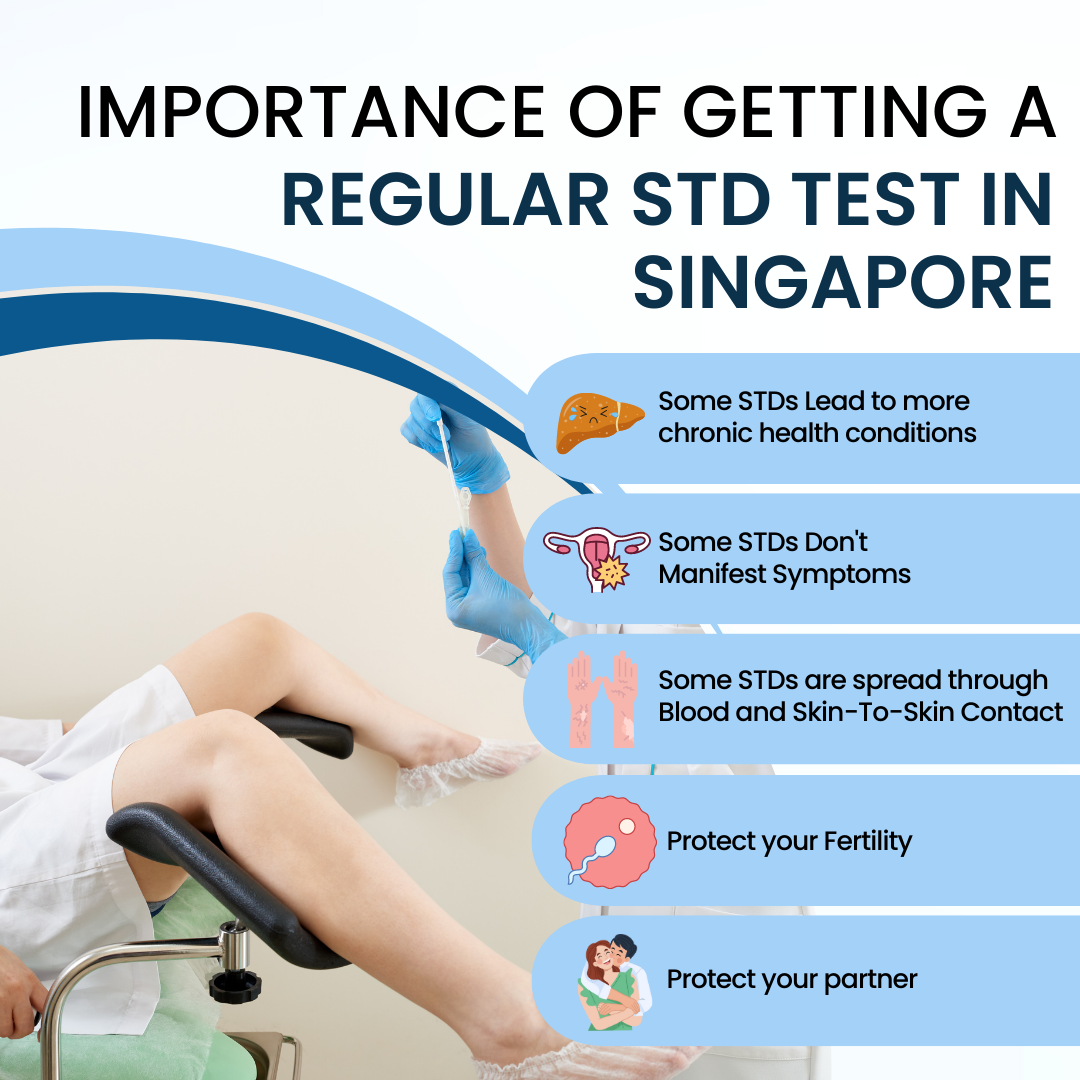
1. SOME STDs LEAD TO MORE CHRONIC HEALTH CONDITIONS

Early detection is the key to mitigating the spread of STDs. Why is it crucial to detect STDs at an early stage? Some STDs become more chronic if neglected.

For example, HPV infection is the leading cause of cervical cancer among women. Meanwhile, human immunodeficiency virus (HIV) can progress to life-threatening acquired immunodeficiency syndrome (AIDS) if not managed early.


2. SOME STDs DON’T MANIFEST SYMPTOMS

Some STDs don’t manifest symptoms. Chlamydia, Gonorrhea, and genital herpes often don’t show symptoms. Meanwhile, most people mistake HIV symptoms for flu.

The only way to detect these silent infections is through STD tests. Thankfully, health screening packages for STDs in Singapore are widely available.


3. SOME STDs ARE SPREAD THROUGH BLOOD AND SKIN-TO-SKIN CONTACT

Many think that you will only get STDs when you are sexually active. But some STDs don’t require sexual penetration to spread. 

For example, one can acquire HIV through infected blood transfusion. Meanwhile, human papillomavirus (HPV) and genital herpes can also spread through genital skin-to-skin contact.

People must value STD testing as much as they pay attention to their cholesterol level in a blood test. After all, these two are great health concerns.


4. PROTECT YOUR FERTILITY

STDs can affect your fertility. For example, cervical cancer caused by HPV can decrease a woman’s fertility rate. If you don’t want to resort to expensive IVF in Singapore, you need to protect your reproductive health from sexually transmitted infections.


5. PROTECT YOUR PARTNER

The first step in protecting yourself from STDs is to have one sexual partner. Multiple sexual partners increase your risk of getting infections. 

But being in a monogamous relationship does not mean you don’t need to take an STD test in Singapore. You are protecting yourself and your partner if you take STD screenings regularly.

Don’t let the stigma stop you from protecting your sexual health. Remember, sexual health matters as much as the other parts of your body.

Get an STD test today in Singapore at Sunway Medical Centre. Visit Sunway Medical Centre today.

A child’s well-being is determined by how well they grow and develop from birth until they are of age. For parents to ensure their children remain healthy, they must ensure that regular pediatric care is vital in guiding a child’s development. Pediatrics is more than treating your child; it helps create a conducive environment. Some parents wish to take their children for pediatric care where there are ideal specialists without success. Having a good Falls Rural Health Corporation of Northeastern Pennsylvania specialist would be best to attend to your child’s well-being. No parent would joke about their child’s health, no matter how small the condition might be. Here are some top most benefits of pediatric care for you to know.

Reduces Mortality Rates of Children

Children are prone to different problems from the time they are born until they become adults. When they are not monitored and subjected to the right care, they may not make it until they move from that stage. However, pediatric care helps monitor a child’s growth to ensure they are healthy and display normal growth and development. Some diseases are common in children, while other chronic conditions can be prevented before they become fatal, such as asthma and diabetes. Early treatment is essential to prevent deaths due to ignorance and lack of proper pediatric care.

Ensure Your Child Is Immunized Accordingly

Immunization is essential for every child to ensure smooth growth without becoming sick with unnecessary diseases. Parents lose track of their children’s immunization stages, which may become problematic in the future. However, pediatricians keep their medical records of every child they handle and update the parents on when to take their children for immunization and any other important engagements necessary for the child. Your child will be free from diseases such as measles and chickenpox, which may affect your child’s growth.

Strengths Child’s- To- Pediatrician Communication

Children tend to be more open to people they feel free to; sometimes, it may be the pediatrician. Visiting the doctor regularly creates a strong bond between your child and the doctor, which may allow your child to open up on matters that they may feel or fear to open up to you as the parent. Honesty and openness may help the pediatrician to diagnose some underlying conditions effectively. Pediatricians can often tell when the child is unwell and offer the best treatment based on their relationship.

Pediatric Care Engages the Parents

Parents may note when their child is unwell but cannot tell what the problem is. However, when they engage a pediatrician, this becomes easy as they can understand their child’s condition. They become well informed on their child’s growth and any unusual condition they should monitor closely. Parents also understand how well they can take care of their children and how to handle emergencies if their children develop a problem.

Children are the future and must be handled and brought up correctly. Parents must ensure their child is in good health and has all the necessary vaccines to prevent unforeseen diseases. Your child may grow to be a healthy adult when you subject them to the right pediatrician from birth until they attain the right age. Ensure you choose the right specialist to take care of your child.

The nervous system is one of the most important systems of an individual body since it acts as the command center. Like most organs, the nervous system can suffer from various disorders such as epilepsy, stroke, and Alzheimer’s. Since these conditions are acute, they prompt people to seek treatment. Even though there are many treatments out there, most people choose to consult a neurosurgeon Flowood due to their expertise. With many theories revolving around the same, it is time to shun them. You should stop believing the following myths if you seek this treatment. 

The Best Neurosurgeons Are Located in the Major Cities

 In most instances, people travel from various parts of the country to a coastal city looking for a neurosurgeon that will help them. Even though there are many neurosurgeons in these cities, others are also in mid-sized cities. Before moving to other cities, you should check whether your town has a qualified neurosurgeon. If you find one, you will save the cost and time of moving to another city.

Neurosurgeons only Work on the Brain

Even though the brain is the largest part of the neurosurgical specialty, it is not the only part. For instance, some specialists are also involved in treating both the spine and the spinal cord. Since the brain acts like a central processor, it also needs a spinal column that connects the body with the brain. Moreover, the spinal column will support the body’s pelvis permitting it to have varying movements. The neurosurgeon should have an in-depth understanding of the interrelationships of these systems.

The Surgery is the Only Option

Some people believe that surgery is the only treatment to treat their condition. Even though surgery is used in the treatment, it is not usually the best. Surprisingly, doctors spend a lot of time looking for ways to eliminate or minimize the surgery. The main reason is surgery has several side effects, and a person takes a while before they recover. In most instances, the specialists usually use surgery as a last resort. You should, therefore, not fear visiting the specialist, thinking that you must have surgery.

Neurosurgeons only Perform Surgeries

Most people believe that the only work of neurosurgeons is to conduct surgeries. However, not all doctor’s visits will result in surgery. Sometimes neurosurgeons can diagnose and treat neurological problems with methods other than surgery. You should not fail to book an appointment because you fear that you must undergo surgery.

All Neurosurgery is Highly Invasive

In most instances, neurosurgery is represented as frightening in some television medical dramas. However, this is not the case since others are minimally invasive. For example, some of the surgeries will use small incisions, while others will not require any incisions. You should speak with the specialist to choose the best surgery for you.

The nervous system is usually acute and requires an individual to seek immediate medical attention. However, there have been instances where individuals still need to seek these services due to the myths surrounding this practice which has negatively cost them. The best way to overcome the treatment fears is to seek the right information from the specialist. Check with a qualified specialist who can effectively answer your questions and address your worries.

A coronary angiogram or cardiac catheterization is a medical imaging treatment where your doctor can check the functioning of your heart. During this procedure, your healthcare provider will place a small, hollow plastic tube into a blood vessel in your neck, groin, or arm and thread it to the coronary arteries. Cardiac catheterization procedures are very beneficial as they can be used to check for a wide array of heart complications. This imaging procedure can also be used to obtain your blood samples, measure the varying pressures in your heart, and monitor your oxygen levels. After placing the catheter properly, your provider will inject a dye to help check blood flow through the tube. In this post, we will tell you all you need to know about Tomball cardiac catheterization.

What Are the Main Uses of Cardiac Catheterization Procedures?

As mentioned earlier, coronary angiogram procedures can be used to check for various factors that may affect the normal functions of your heart. Below are some of the main uses of this imaging procedure:

  • Check the functioning of your heart muscles
  • Determine the immediate cause of your abnormal heart rhythm or chest pains
  • Evaluate the functioning of your pulmonary arteries
  • Remove blockages in your artery
  • Assist with the planning of heart transplant procedures
  • Diagnose mitral valve regurgitation, cardiomyopathy, pulmonary hypertension, or aortic stenosis
  • Diagnose disease of the aorta, valve disease, or coronary artery disease
  • Determine the need for further heart treatments, such as heart surgery

Before the Procedure

Before the actual cardiac catheterization procedure, you will be taken to a room where your practitioner will request you to wear a hospital gown and offer you warm, comfy blankets. You will then be requested to lie on a special table, and an intravenous line will be injected into your arm to receive fluids and other medications during the procedure. Your healthcare provider will clean and even shave the hair around the insertion site, where they will place the tiny, narrow plastic tube. With your hands and arms down at your side, sterile drapes will be used to prevent the risk of infection. Small, sticky patches (electrodes) will be placed on your chest and are linked to an electrocardiograph monitor (ECG) that displays your heart rhythm and rate. While you will be awake during the whole procedure, your doctor will offer you a mild sedative to help you remain relaxed.

During the Procedure

Once all the preparations are complete, and the catheter is in place, your healthcare provider will carefully inject a dye through the tiny, hollow plastic tube to help monitor blood flow in your blood vessels. Digital images of this contrast material are then displayed on a monitor to help your doctor notice any problems in your coronary artery. X-ray cameras can also capture images of your heart chambers and major blood vessels. When all the photographs have been taken, your doctor will gently remove the plastic tube to prevent the risk of bleeding. You will also be requested to remain still as the catheter is being removed to avoid any complications after the procedure.

At Cardiovascular Institute, we have provided the residents living in and around Tomball, Texas, with comprehensive and individualized treatments for cardiovascular diseases. Led by Dr. Daljit Muttiana, MD, FSCAI, and the highly skilled team of medical experts, you are guaranteed to receive long-lasting solutions to problems in your circulatory system, such as varicose veins and venous insufficiency. Get started today and book an appointment or call us today at 281-612-9791.

As we age, some things like wrinkles and facial lines are inevitable. These changes can be undesirable as they can diminish your healthy and youthful skin appearance. Several cosmetic treatments, including microneedling and fillers, are gaining popularity today to restore youthful skin. If you want to try the microneedling procedure, the solution lies with Regenerative Medspa of Buckhead. Microneedling may sound scary, but it comes with amazing advantages to your skin. Now, let’s consider some important reasons why you should consider getting microneedling.

Restoring Sagging Skin

As you age, your skin begins to produce diminished elastin and collagen, essential in enabling your skin to look and feel more robust. As a result, reduced production of elastin and collagen makes your skin looser and more vulnerable to lines and wrinkles. Microneedling is integral as it applies a special device to develop a series of small micro-injuries in your skin. These slight injuries trigger your skin’s natural processes, including improved collagen and elastin production.

No Downtime

The procedure is minimally invasive and nonsurgical, meaning it does not involve incisions or anesthesia. Lack of incisions and anesthesia indicates there minimal risks of problems with other invasive treatments and no downtime after treatment. This process will enable you to return to your daily activities and routine after treatment. However, you will experience some redness in the treatment site, although it disappears soon afterward.

Enabling Skincare Products Function Well

When you have invested in quality skin care products, you expect them to benefit the skin as much as possible. However, it may be difficult for them to penetrate your skin. Do not worry because micro needling is integral in improving your skin’s ability to absorb these products. It develops several tiny holes in your skin, making it easy for the products to sink into the skin easily.

Treating Stretch Marks and Scars

In most cases, scars and stretch marks occur when your skin reacts to an injury resulting from trauma like a cut or stretch beyond normal limits. Both stretch marks and scars are responsible for damaging collagen and elastin fibers. Unluckily, these conditions are inevitable, and nothing you can do alone to fix the issue. However, microneedling may solve the issues by breaking down the damaged tissue and fostering the development of healthy and fresh tissue.

Enhancing Overall Skin Health

Apart from improving the overall skin appearance, micro-needling improves general skin health. Your immune system critically fixes the damaged skin by stimulating blood circulation in the region. More blood indicates your skin is obtaining extra nutrients and oxygen, which will help the skin remain healthy.

Treating Sun Destroyed and Discolored Skin

Sometimes your skin may be damaged by the sun or become discolored. Fortunately, microneedling effectively addresses this issue, which is critical in increasing collagen production. New collagen enhances the tone and texture of your skin, treating visible signs of skin damage. With time, the sunspots start fading giving your skin a youthful and vibrant appearance. 

Sagging skin, scars, and stretch marks, among other skin conditions, can be frustrating as they deteriorate your skin appearance and overall health. If you are stuck securing a cosmetic center, we have you covered. Regenerative MedSpa of Buckhead is a health and wellness spa offering several outstanding aesthetic services, including microneedling led by Dr. Beata Grochowska and Karolina Grochowska. Schedule an appointment online or call them to restore youthful and vibrant skin.

As you get older, there is a natural decrease in the production of skin cells, proteins, and amino acids that support skin health. Collagen makes up over 75% of your skin and is essential in creating the structural framework of tissues and aiding wound healing. The reduction in collagen production causes skin sagging, wrinkles, and fine lines. The wrinkles that attack your neck are often called neck wrinkles or lines. The Queens neck lines from aging usually appear horizontally. Still, you may have vertical neck wrinkles or lines resulting from keeping the head in the same position over a long time, such as when sleeping or using a computer.

Prevention of neck wrinkles

  • Perform neck exercises

Exercising daily or remaining physically active is vital for tightening and toning the muscles in the neck and preventing stiffness. As a result, you will benefit from relatively less sagging skin, increased blood flow in the area with wrinkles, and more production of proteins like collagen that help in maintaining healthy skin.

Practicing yoga can help prevent neck wrinkles.

  • Moisturize the neck

The moisturizer you apply should contain hydrating ingredients and antioxidants to prevent wrinkles and creases in your neck.

  • Wear sunscreen

Wear sunscreen that can protect you against the harmful sun’s UV rays when outdoors. Excessive exposure to the sun’s UV rays usually leads to the burning of the skin and reduction in its elasticity and, thus, the formation of premature signs of aging.

Also, it is possible to prevent neck wrinkles by staying hydrated, eating healthily, managing stress, and avoiding smoking.

Treatment of neck wrinkles

There are various treatments your doctor can rely on for treating or removing neck wrinkles. Your doctor will recommend the right treatment depending on your needs.

  • Botox injections

Ensure you receive Botox injections from a licensed dermatologist or clinician, which is essential for avoiding severe side effects. Botox injections on your neck will cause the muscles to relax, which can prevent or remove existing wrinkles.

Because Botox treatment lasts a few months, you will need regular injections if you desire long-lasting results.

  • Microdermabrasion

Microdermabrasion involves a skin specialist using a hand-held device to remove the top layer of your skin. The resulting skin appears even and younger.

The American Academy of Dermatology estimates that microdermabrasion on your neck should last about 20 minutes.

  • Laser resurfacing

The treatment involves exposing your skin to beams of light. Laser resurfacing helps to boost the production of collagen and other proteins that deliver healthy skin. More creation of collagen makes your skin plumper, minimizes wrinkles, and reduces uneven skin tone.

  • Microneedling

Microneedling involves pricking the skin using tiny, sterilized needles. The creation of small wounds triggers your body’s self-healing mechanism, and thus there is more collagen and elastin production. As a result, you will have improved skin texture and fewer neck wrinkles.

Other treatments your dermatologist may recommend are filler injections, chemical peels, and surgery. A surgical procedure may involve removing a small amount of your skin to stretch the neck area with wrinkles and make it firmer.

Contact Leva Medica today to schedule an appointment and learn more about neck wrinkles.

Allergy testing reveals allergens that might cause allergies, like pet dander, mold, bee stings, and peanuts. There are several methods for allergy testing Fort Worth. Your healthcare practitioner will choose the appropriate technique based on your symptoms and possible allergies. Among these tests are:

  1. Blood (IgE) test: A sample of your blood is sent to a lab by your physician. The allergens are added to the blood sample, and the levels of IgE antibodies are measured. However, blood testing might provide more false-positive findings.
  2. Skin prick (scratch) test: Your physician uses a small needle to prick the skin on your forearm or back with 10 to 50 different probable allergies. Alternatively, your provider may apply droplets of possible allergens to your skin and use a device to scrape and softly pierce the region, allowing the liquid to penetrate your skin. Redness often occurs within 15 minutes after exposure. Your reaction might be a rash or the elevated, circular area known as wheals. Also, this test looks for airborne allergens, food allergies, and penicillin allergies.
  3. Patch examination: This test aims to determine the cause of contact dermatitis. Your physician applies allergen drops to the skin on your arm and wraps it in a bandage. Also, your physician may apply an allergen-containing patch (bandage). You wear the application for 48 to 96 hours before returning to the provider’s office. Your physician then removes the bandage to inspect your skin for a rash or other response.
  4. Challenge tests: This test is only performed under a clinician’s direct, in-person supervision. People suspected of having food or medication allergies consume (swallow) a small quantity of an allergen. This test is often performed by an allergist. Medical monitoring is required. If you develop anaphylaxis, the clinician will administer an epinephrine injection as soon as possible to halt the response.
  5. Intradermal skin test: If the findings of the skin prick test are negative or inconclusive, you may be given an intradermal skin test. Small doses of the allergen are injected into the outer layer of your skin (epidermis) by your physician. This test looks for sensitivities to irritants in the air, medicines, and insect bites.

The risks of allergy testing

Allergy tests may cause moderate skin irritation, redness, and edema. Wheals are tiny pimples that occur on the skin from time to time. These indicators often go away within a few hours, although they might continue for a few days. These symptoms can be relieved with mild topical steroid creams. Rarely allergy tests cause an instant, serious allergic reaction that necessitates medical treatment. Thus, allergy testing should be performed in a doctor’s office with proper drugs and equipment, including epinephrine, to treat anaphylaxis, a potentially fatal acute allergic reaction. You are recommended to call your specialist immediately if you have a severe response after leaving their office.

Once your physician has discovered which allergens are causing your symptoms, you and your doctor can collaborate to develop a strategy for avoiding and managing them. Also, your clinician may recommend drugs to alleviate your indicators. Call Clover Internal Medicine to schedule your appointment today to determine which allergy testing procedure works best for you.