
You may not think much about your bite until something starts to feel off. Maybe your jaw clicks when you chew, your teeth seem to hit unevenly, or you wake up with soreness that is hard to explain. A lot of people live with those signs for months or years because they seem small, or because daily life is already full enough without adding one more appointment with a dentist in West Chester, OH. Still, the way your upper and lower teeth come together affects more than comfort. It can shape how you chew, speak, sleep, and protect your teeth from extra wear.
Why regular dental bite evaluations matter comes down to catching problems early, before they turn into cracked teeth, gum strain, jaw pain, or expensive dental work. A bite check is not just about whether your smile looks straight. It is about how your teeth function together and whether your jaw joints and muscles are under stress.
Dental bite evaluations help spot hidden stress on your teeth and jaw
Your bite can change slowly, which is why many people do not notice the shift right away. A new filling that feels a little high, a missing tooth, teeth grinding at night, or natural wear over time can all change the way pressure spreads across your mouth. When that pressure is uneven, one tooth or one side of your jaw may start doing more work than it should.
That is when small annoyances can become daily problems. You chew on one side because the other side feels strange. Your jaw feels tired after meals. You get headaches and assume they come from stress, screens, or poor sleep. Sometimes the first clue is a chipped tooth or unusual sensitivity. Sometimes it is gum recession around teeth taking too much force.
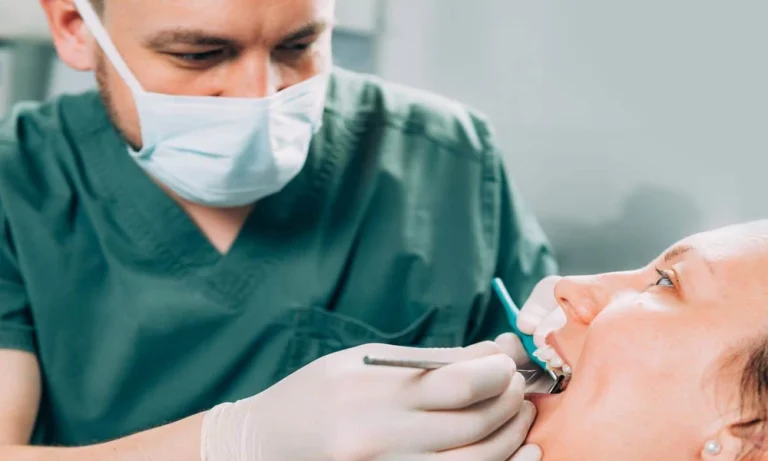
A dentist looks for those patterns during a bite assessment. They check how your teeth meet, signs of grinding, wear facets, shifting teeth, and strain in the jaw joint. If jaw discomfort is part of the picture, it may relate to issues involving the temporomandibular joint. Temporomandibular disorders can lead to pain, clicking, limited movement, and trouble chewing, and bite problems can add to that strain.
Untreated bite problems can lead to tooth wear, pain, and avoidable costs
An uneven bite does not always cause pain right away. That delay is part of the problem. You can keep functioning while the damage builds in the background. Enamel wears down. Small fractures form. Dental restorations loosen or break sooner than expected. Muscles in your face and neck work harder to compensate, and what looked like a minor issue starts affecting your routine.
Think about someone who clenches at night and has no idea. They come in because a crown cracked, then learn that the pressure across their teeth has been too strong for a long time. Or someone loses a back tooth, puts off treatment, and over the next year their bite shifts enough to create chewing trouble and soreness. These are common situations, not rare ones.
Regular bite checks can reduce that kind of slow buildup because they give your dentist a chance to catch changes before they cause wider damage. This fits with basic oral prevention advice from the CDC’s oral health tips for adults, which supports routine dental care as part of preventing larger oral health problems.
Jaw alignment problems affect more than your smile
People often connect bite issues with crooked teeth, but function matters just as much as appearance. When your bite is off, you may have trouble chewing certain foods, speaking clearly in some cases, or keeping your teeth clean if crowding and wear have increased. Jaw alignment concerns can also feed into tension and discomfort that spills into daily life.
In some cases, a person may have a condition involving malocclusion, which means the teeth do not align as they should. Malocclusion can range from mild to more serious, and treatment depends on the cause and symptoms. The point is not that every imperfect bite needs major correction. The point is that a professional should decide what is harmless and what is likely to worsen.
Waiting versus early bite evaluation creates very different outcomes
| Situation | Early Evaluation | Waiting Too Long |
|---|---|---|
| Teeth grinding | Wear patterns are caught early, a night guard or bite adjustment may help protect teeth | Cracks, flattened teeth, jaw soreness, damaged fillings or crowns |
| New discomfort when chewing | High spots or shifting bite may be corrected before damage spreads | Ongoing pain, one sided chewing, muscle fatigue, tooth sensitivity |
| Missing tooth | Options can be discussed before neighboring teeth shift | Drifting teeth, bite changes, harder future treatment, more cost |
| Jaw clicking or tightness | Monitoring and conservative care may reduce strain | Worsening joint symptoms, limited movement, chronic discomfort |
Simple steps can protect your bite and support long term oral health
Pay attention to small changes. If your teeth meet differently than they used to, food is harder to chew, or you wake up with jaw tension, do not brush it off. Those details give your dentist useful clues, especially when they have developed gradually.
Ask for a bite evaluation during routine dental visits. A general dentist can often spot wear, shifting, clenching patterns, and pressure points before they become bigger problems. This is one of the easiest ways to stay ahead of damage without waiting for pain to force the issue.
Follow through on early treatment. If your dentist recommends a night guard, replacing a missing tooth, adjusting a restoration, or getting orthodontic input, deal with it while the issue is still manageable. Early care is usually simpler and less expensive than repairing the effects of a neglected bite problem.
Regular bite assessment supports comfort, function, and prevention
Your bite is not a minor detail. It affects how your teeth wear, how your jaw feels, and how well your dental work holds up over time. Bite alignment checks give you a chance to catch strain early, protect your teeth, and avoid the kind of slow damage that is easy to miss until it becomes expensive or painful.
If something feels off, or if it has been a while since your last exam, schedule a visit with a general dentist and ask for your bite to be evaluated. A small check now can save you a lot of discomfort later.