Author

Nicholas Alers

Browsing

You open the software, answer the prompts, upload a few forms, and hope the result is right. That works for many simple returns, until it doesn’t. A side gig turns profitable, a rental property enters the picture, stock sales create basis problems, or a small business starts mixing personal and business expenses. In those moments, working with a CPA in Arcadia, CA can provide clarity and confidence. Suddenly the clean step by step process feels less certain, and the stress is not really about typing numbers. It is about whether the return is accurate, whether you missed a deduction, and whether a mistake could cost you money later.

That is why CPAs remain essential despite DIY tax software. Tax software is useful, fast, and often affordable. It is not judgment. It does not sit with the facts that do not fit neatly into a box. It does not notice patterns in your finances, ask sharper follow up questions, or help you make tax decisions before year end when those decisions still matter. A Certified Public Accountant does.

Tax software handles forms, but a Certified Public Accountant handles judgment

Software is built to process the information you enter. If the information is incomplete, misunderstood, or entered in the wrong place, the result can still look polished. That is part of the problem. A return can be neatly filed and still be wrong.

You may have felt this already. Maybe you were halfway through a return and got stuck on depreciation, estimated taxes, home office rules, entity choice, or multi state income. Maybe the software asked a question that seemed simple, but the honest answer was, “It depends.” That is the gap. Tax law often turns on facts, timing, intent, and documentation. Those are not always things software can interpret well.

A CPA sees the return as part of a bigger picture. If your income changed this year, if you sold assets, if you started a business, if you are behind on bookkeeping, or if the IRS sent a notice, the issue is not just filing. The issue is risk, planning, and recordkeeping. Tax preparation software cannot fully replace a tax professional when the numbers connect to real business or financial decisions.

DIY tax software can miss the cost of a wrong answer

The appeal of doing it yourself is obvious. Lower upfront cost, faster filing, fewer appointments. The hidden cost shows up later. An overstated deduction can trigger penalties. A missed election can affect several years of taxes. Poor entity planning can mean paying more tax than necessary. Filing without understanding estimated payments can create a cycle of underpayment notices that keeps repeating.

Small business owners feel this most. One wrong category in the books can distort the return. Paying contractors without proper forms, deducting personal spending through the business, or failing to track basis in an S corporation can create problems that software will not clean up on its own. The IRS has specific guidance on selecting a tax professional as a small business taxpayer for a reason. Business tax issues often need more than automated prompts.

There is also the emotional side. When you file on your own, you carry all the uncertainty yourself. If the return is questioned, you are the one trying to explain it. If records are messy, you are the one guessing how to reconstruct them. A CPA reduces that burden by bringing structure, documentation habits, and informed judgment to the process.

Professional tax help creates value before and after filing

The strongest reason why CPAs still matter in the age of tax software is that their value is not limited to filing a return. A CPA can help you decide when to accelerate expenses, how to handle retirement contributions, whether to change your withholding, and how to prepare for a major life event such as marriage, divorce, inheritance, or selling a business.

That kind of guidance can save more than the fee. It can also prevent expensive cleanup later. Fixing a tax problem after filing usually costs more than getting the advice upfront. If you are trying to choose wisely, the IRS offers guidance on choosing a tax professional, including what credentials and standards to look for.

DIY tax software and CPA support solve different problems

Issue DIY Tax Software Certified Public Accountant
Simple W 2 return Usually efficient and low cost May be helpful, but not always necessary
Self employment income Can file the forms if data is accurate Advises on deductions, estimated taxes, records, and audit risk
Rental property or depreciation May walk through inputs, but errors are easy to make Handles basis, depreciation methods, passive loss rules, and planning
Business entity decisions Does not provide tailored strategy Compares tax impact and long term consequences
IRS notice or audit concern No real advocacy or judgment Explains the issue, prepares responses, and supports documentation
Year round tax planning Limited Ongoing advice that can lower future tax and reduce surprises

Practical steps to decide whether you need a CPA

1. List every tax event from the last year. Write down more than income forms. Include business activity, investments, property sales, retirement moves, dependents, major purchases, debt cancellation, and any IRS letters. If your list is longer than a few straightforward items, a CPA may save you money and stress.

2. Measure the risk, not just the fee. People often compare software cost to a CPA fee and stop there. Compare the fee to the cost of missed deductions, penalties, bad planning, and your own time spent sorting records and guessing at rules. That is the real comparison behind DIY tax software vs CPA.

3. Get help before filing season if your situation is changing. The best tax advice often happens before December 31, not in April. If you are starting a business, hiring contractors, selling assets, or dealing with a life change, professional tax help can shape the outcome while you still have options.

Good tax decisions come from clarity, not guesswork

You do not need a CPA for every return, and using software does not mean you are careless. It means you want an efficient tool. The problem starts when the tool is asked to do the work of judgment, planning, and risk management. That is where a Certified Public Accountant remains essential. When the facts get messy, the stakes get higher, or the stress keeps following you long after you hit file, real tax guidance matters.

If your tax situation no longer feels simple, get professional help before another filing deadline turns into another round of uncertainty.


Picture January in Minnesota. The furnace kicks on at 5 a.m., runs for twenty minutes, and the bedroom still feels like a walk-in cooler. You check the thermostat. It reads 68. You press your hand against the glass next to the bed and feel it immediately: the window is the problem. It always was.

Cold-climate homeowners pour money into HVAC upgrades, insulation, and weatherstripping while the windows sit there, untouched, bleeding heat into the night. The energy loss is real, it’s measurable, and it’s one of the most underestimated budget leaks in older homes across Minnesota, Wisconsin, and any state where winter means business.

This piece breaks down exactly why windows underperform in extreme cold, how to tell which ones are costing you the most, and what a smart replacement plan actually looks like.

How Much Are Your Windows Actually Costing You?

Most homeowners guess that the attic or the HVAC system is their biggest efficiency weak point. Windows rarely top that list. They should.

Energy-efficient windows are an important consideration for both new and existing homes. According to the U.S. Department of Energy, heat gain and heat loss through windows are responsible for 25% to 30% of residential heating and cooling energy use. That’s a staggering share of your utility bill traced directly to glass and frame performance, and it only gets worse in climates where temperatures routinely drop below zero.

The math hits differently when you’re paying to heat a home in the Upper Midwest. A house with a dozen aging single-pane or failed double-pane windows isn’t just uncomfortable. It’s structurally inefficient in a way no programmable thermostat can fix. You can find the full technical breakdown of window heat transfer mechanisms on the U.S. Department of Energy’s Energy Saver page on energy-efficient windows, which outlines exactly why window choice matters so much in cold climates.

The fix isn’t always full replacement, but in many cold-climate homes, it is. Single-pane glass, broken seals in double-pane units, and frames that have warped or cracked over years of freeze-thaw cycling all disqualify a window from being repaired. Those need to go.

The Window Triage Framework

Not every window in your home is equally urgent. Replacing them all at once isn’t always financially practical, so smart homeowners prioritize. The Window Triage Framework gives you a repeatable way to rank windows by urgency before you talk to a single contractor.

Priority 1: Failed seals. Fogging or condensation between the panes of a double-pane unit means the insulating gas has escaped and the window’s thermal performance has collapsed. These are your most urgent replacements regardless of window age.

Priority 2: North-facing and windward-facing windows. In Minnesota and Wisconsin, north and northwest exposures take the hardest beating in winter. Cold air presses against those surfaces longest. If you’re triaging, these come next.

Priority 3: Drafty frames. Run a lit stick of incense along the frame edges on a cold, windy day. If the smoke moves sideways, you have air infiltration. Caulk can sometimes fix this. Rotted or severely warped frames cannot be caulked into performance.

Priority 4: South-facing single-panes. These get natural solar gain in winter, which partially offsets heat loss. Replace them, but they’re your lowest urgency on a cold-climate priority list.

Work through your home with this lens before you budget anything. It turns an overwhelming project into a phased, financially manageable plan.

What to Actually Look for in a Replacement Window

The spec sheet on a replacement window can feel like alphabet soup. U-factors, solar heat gain coefficients, low-e coatings, gas fills. Here’s what actually matters for cold-climate performance.

U-factor below 0.30. The U-factor measures how quickly a window loses heat. Lower is better. For Minnesota and Wisconsin winters, aim for 0.25 or below if the budget allows.

Double- or triple-pane glass with argon or krypton fill. The inert gas fill between panes dramatically slows conductive heat transfer. Triple-pane units cost more upfront but perform meaningfully better in sustained below-zero conditions.

Low-emissivity coatings. A low-e coating is a microscopically thin metallic layer that reflects radiant heat back into the room in winter. For cold climates, you want a high solar heat gain coefficient paired with a low-e coating to pull in solar warmth while retaining interior heat.

When you’re ready to move forward, choosing a contractor experienced in energy-efficient window and door replacement in cold-climate conditions makes a measurable difference. Installation quality affects real-world performance just as much as the window’s rated specs. A perfectly specced window installed with poor flashing or inadequate insulation around the frame will still underperform.

Why the Midwest Makes This Problem Worse

Space heating and air conditioning already consume the largest slice of residential energy use in the country. According to the U.S. Energy Information Administration’s 2020 Residential Energy Consumption Survey, more than half of a household’s annual energy consumption, specifically 52%, goes to just two end uses: space heating and air conditioning. In the Midwest, where winters run long and deep, that heating share skews even higher. The EIA’s Residential Energy Consumption Survey tracks these patterns in detail and consistently shows that cold-climate states carry disproportionate heating burdens compared to the national average.

Minnesota and Wisconsin homeowners are already starting from a disadvantaged position on energy costs. A home with underperforming windows in those states isn’t just slightly inefficient. It’s running a race with a flat tire. Upgrades that would be optional improvements in southern climates become genuinely necessary maintenance in the Upper Midwest.

“Windows are essential elements of most buildings, but can be among the most energy-wasting parts of a home. Although they constitute only 10% of the surface area of a typical home, they can account for 30 to 40% of the heat loss in winter.” – U.S. Department of Energy, Building Technologies Office

A Practical Checklist Before You Call a Contractor

Skipping the prep work is the most common way homeowners end up buying more than they need or getting a quote that doesn’t reflect their actual situation. Go through this before any sales conversation.

  • Count every window and exterior door in the home. Include basement windows and garage entry doors.
  • Note the frame material (wood, aluminum, vinyl, fiberglass) and the approximate installation year if you know it.
  • Check each double-pane unit for fogging or visible seal failure on a cold morning when interior humidity is higher.
  • Run the incense test along every frame to locate air infiltration points.
  • Pull your last 12 months of energy bills. Note whether heating costs spiked in months that had unusual cold snaps. If the bills don’t reflect obvious spikes, your envelope may be performing fine and your HVAC is the real problem.
  • Photograph any water staining, rot, or frost accumulation on interior frames. These are red flags a good contractor will want to see before quoting.

Bring this information to your first contractor conversation. A contractor who doesn’t ask for it is worth questioning.

Window Type Typical U-Factor Cold-Climate Performance Relative Cost
Single-pane (no coating) 0.90 to 1.20 Poor Low
Double-pane (basic) 0.45 to 0.55 Fair Moderate
Double-pane low-e with argon fill 0.25 to 0.35 Good Moderate to High
Triple-pane low-e with krypton fill 0.15 to 0.25 Excellent High

U-factor ranges are general industry benchmarks. Actual performance varies by manufacturer and installation quality.

The Window You Keep Ignoring Is Getting More Expensive Every Winter

There’s a version of this decision where you put it off another year, patch the drafts with rope caulk in October, and tell yourself you’ll deal with it next fall. That version works until it doesn’t. Failed seals get worse, not better. Frames that flex and crack in freeze-thaw cycles don’t stabilize on their own. And every winter you wait is another heating season where 25 to 30 cents of every dollar you spend on warmth escapes through the glass.

The checklist above takes an afternoon. The triage framework takes one Saturday morning walk-through. Neither requires a contractor to execute. Do those first, and you’ll enter every contractor conversation knowing exactly what you have, what you need, and what questions to ask.

Picture two friends meeting for lunch after not seeing each other for several years. Both are the same age, yet one seems energetic, focused, and refreshed, while the other often feels tired and struggles with recovery after busy days. Aging affects everyone, but lifestyle choices can influence how people experience the process. Among those choices, drinking habits are often part of the conversation because they can affect many aspects of long-term health and well-being.

Key Takeaways

  • Healthy aging is influenced by daily lifestyle habits accumulated over time.
  • Drinking patterns may affect sleep, hydration, energy levels, and overall wellness.
  • Long-term health is often supported by balanced choices rather than quick fixes.
  • Recovery, nutrition, and stress management play important roles in aging well.
  • For individuals pursuing lifestyle changes, Soberlink can serve as a valuable tool within broader accountability-focused wellness efforts.
  • Small, consistent actions can contribute to better quality of life as the years progress.

Aging Is About More than Birthdays

Many people think of aging as something that simply happens with time. In reality, daily habits can shape how the body adapts and responds over the years.

Physical activity, nutrition, sleep quality, stress levels, and social connections all influence overall wellness. Drinking habits can interact with each of these areas. While occasional choices may have little noticeable impact, long-term patterns often deserve closer attention.

Healthy aging is less about chasing youth and more about supporting the body’s ability to function, recover, and remain resilient.

Energy Today, Wellness Tomorrow

One often overlooked aspect of drinking habits involves energy management. Some people notice that alcohol leaves them feeling sluggish the following day. Others may experience changes in concentration, motivation, or physical performance.

Over time, consistent lifestyle patterns can influence how energetic a person feels during daily activities. When energy levels are supported through healthy choices, people may find it easier to stay active, maintain routines, and participate in the activities they enjoy. Movement, exercise, and engagement with life all contribute to aging well.

The Connection between Sleep and Long-Term Health

Sleep acts as a maintenance period for the body. During restful sleep, important recovery processes take place. Although alcohol may initially create feelings of relaxation, it can sometimes interfere with sleep quality later in the night. Interrupted rest can affect mood, focus, and recovery. When poor sleep becomes a repeated pattern, the effects may extend beyond simple tiredness.

Healthy aging often depends on consistent, restorative sleep that allows the body and mind to recharge.

Hydration and Recovery Matter More Than Many Realize

The body’s ability to recover from daily stress plays a major role in overall wellness. Hydration supports many functions, including circulation, temperature regulation, and normal bodily processes.

Drinking habits can influence hydration levels, which may affect how people feel physically throughout the day. Recovery is not limited to athletes or fitness enthusiasts. Everyone benefits from giving the body adequate resources to maintain balance.

Simple habits such as drinking water regularly, eating nutrient-rich foods, and prioritizing rest can support healthy aging goals.

Looking at the Bigger Lifestyle Picture

Healthy aging rarely comes down to a single behavior. Instead, it reflects the combined effect of countless daily decisions.

Someone who exercises regularly, manages stress effectively, and maintains strong social connections may experience different outcomes than someone facing ongoing challenges in those areas. Drinking habits become one piece of a much larger puzzle.

Focusing on overall wellness often creates more sustainable results than concentrating on one factor alone.

Staying Focused on Long-Term Goals

Lifestyle improvements often become easier when people have systems that encourage consistency. For individuals working toward healthier drinking habits or recovery-related goals, Soberlink may be used as part of a structured support approach. Accountability tools can help reinforce positive behaviors that align with broader health and wellness objectives over time.

Healthy Aging Begins with Everyday Decisions

Many people search for the secret to aging well, but the answer is often found in ordinary routines. Consistent sleep, balanced nutrition, regular movement, meaningful relationships, and mindful lifestyle choices all contribute to long-term well-being.

Drinking habits fit into this larger picture because they can influence how the body recovers, adapts, and performs throughout life. The goal is not perfection. Instead, healthy aging is about making choices that support physical, mental, and emotional wellness over the years.

As time passes, small decisions have a way of adding up. The habits practiced today can help shape energy levels, resilience, and quality of life in the future. Understanding the connection between drinking habits and healthy aging encourages a thoughtful approach to wellness, one that values consistency, balance, and long-term health.

People searching for a church usually look online before attending a worship service. The information they find shapes their first impression and influences their decision to visit. A thoughtful online presence helps churches communicate their mission, welcome new guests, and build trust with the local community. The following strategies explain how churches can attract new visitors through purposeful online outreach.

Increase Local Visibility With Accurate Church Information

The first step toward successful outreach is making church information easy to find. Service schedules, ministry opportunities, contact details, directions, and event calendars should remain accurate across every online platform. Churches that promote your church through Christian-focused advertising channels can also introduce their message to audiences already interested in faith-based resources.

This creates meaningful opportunities for outreach instead of relying solely on broad online exposure. A dedicated visitor page also adds value because it answers common questions before a first visit. Information about children’s ministries, accessibility, worship style, and parking helps guests feel informed and prepared.

Highlight Ministry Activities That Inspire Community Interest

People connect with ministries when they see genuine examples of faith in action. Articles about outreach projects, mission efforts, Bible studies, youth gatherings, and community service demonstrate how a congregation supports people throughout the year. These updates help potential visitors understand the church’s purpose while creating confidence in its mission.

Seasonal celebrations, family events, and special worship services also deserve regular promotion. Sharing these opportunities allows individuals and families to discover activities that match their interests and encourages greater participation.

Online Content That Encourages First-Time Visitors

  • Upcoming worship services and special celebrations
  • Community outreach and volunteer opportunities
  • Youth and children’s ministry activities
  • Biblical encouragement through devotionals or sermon highlights
  • Church news that keeps visitors informed

Connect With Christian Audiences Through Specialized Advertising

Churches and ministries benefit from outreach that reaches people already interested in Christian content. Faith-focused advertising provides opportunities to present ministry messages, conferences, educational programs, charitable initiatives, and worship events before audiences actively engaging with Christian media.

Church leadership teams can also promote your church through carefully planned advertising campaigns that support long-term outreach objectives. This approach increases awareness while helping ministries share their message with people who are more likely to engage with Christian programs and local church activities.

Create A Welcoming Experience Before The First Service

A first visit becomes much easier when people know what to expect. Helpful online information reduces uncertainty and allows guests to arrive with confidence instead of unanswered questions. Friendly communication before attendance also reflects the church’s desire to serve every visitor with care.

Details That Help Guests Feel Prepared

Continue Building Relationships After The First Connection

Online outreach should extend beyond attracting attention. Prompt replies to inquiries, event registrations, and prayer requests show genuine care while encouraging future involvement. Email updates about upcoming ministries, seasonal events, and educational opportunities also help interested individuals remain connected with the church community.

Consistent communication allows churches to strengthen relationships without overwhelming potential visitors. Over time, these thoughtful interactions encourage greater participation and support lasting engagement with the ministry.

Effective online outreach creates more opportunities for churches to connect with people seeking faith, encouragement, and authentic community. Accurate information, meaningful ministry updates, welcoming communication, and faith-centered advertising all contribute to stronger first impressions. A thoughtful digital outreach strategy helps churches build lasting relationships while extending their message to Christian audiences. Purposeful communication can encourage more people to discover a church community where they can grow in faith.

Tooth loss can occur for various reasons, such as injury, disease, or decay. Regardless of the cause, missing teeth can significantly impact a person’s oral health, appearance, and confidence. Fortunately, there are various tooth replacement options available, including dentures. This article will discuss why dentures Jamison are a great option for those considering tooth replacement.

What are dentures?

Dentures are artificial teeth used to replace lost natural teeth. They are made of artificial teeth set in a base that resembles gums and can be secured to the remaining natural teeth, dental implants in Springfield, or both. There are two types of dentures: complete dentures, which replace all of the missing teeth in an arch, and partial dentures, which return a few missing teeth.

Reasons to consider dentures for tooth replacement

  • Aesthetically pleasing

One of the biggest reasons people opt for dentures is to restore their smile. Missing teeth can make people self-conscious and limit their confidence when smiling or speaking. Dentures are made to look natural and blend in with the surrounding teeth, giving the wearer a full, beautiful smile.

  • Affordable

Dentures are often more affordable than other tooth replacement options, such as dental implants or bridges. They are a great option for those on a budget who want to restore their smile.

·         Easy to maintain

Dentures are designed to last as long as possible with the help of regular maintenance, which is why every set comes with comprehensive instructions. Dentures typically endure for around seven years with proper care. They can be removed and brushed just like natural teeth, and they can also be soaked overnight to keep them in good condition. Unlike dental implants, which require special cleaning techniques, dentures are low-maintenance.

  • Comfortable

Dentures are designed to be comfortable and fit well. They are custom-made to fit the wearer’s mouth and can be adjusted as needed. Dentures should not cause any discomfort or irritation with proper fitting and care.

  • Functional

Dentures restore a person’s ability to bite and chew food. They can also improve speech, allowing the wearer to speak more clearly and confidently. Dentures allow people to enjoy all their favorite foods again without limitations.

  • Dentures simplify daily life

When people decide to have dentures to replace their lost teeth, they will quickly notice how much easier it is to go about their normal routine. They have no trouble chewing, speaking, or smiling in public. They may confidently eat and speak without worrying that their dentures will slide or move.

  • Convenient

Another reason to consider dentures is their convenience. Unlike dental implants, which require multiple visits to the dentist, dentures can be made and fitted in just a few visits. They are also removable, making them convenient for eating and cleaning.

For these reasons, dentures are a popular option among many people. The convenience and low price of dentures are two of their best features. Even while dentures have the potential to be an excellent solution for dental restoration, there are other permanent alternatives to consider. The dentist would be pleased to assist you in getting dentures if, after learning about them, you have decided to replace your missing teeth in this way. Dentures have come a long way and are now surprisingly natural feeling. Visit your dentist for an examination and consultation to learn about the different options for dentures.

There is a promising shift towards clear aligners’ treatment to solve dental misalignment issues. This increasingly popular orthodontic treatment promises desired results and benefits patients who want a preferable treatment experience that does not involve paying much attention to the appliances, unlike in traditional braces. It would be best to ask your doctor which orthodontic treatment is the best for you to get on the one that can provide desired outcomes depending on your current oral status. Patients should talk to their doctor about their candidacy for clear aligners Carmichael to guarantee quality treatment outcomes.

The effect of occlusion treatment with clear aligners versus fixed appliances

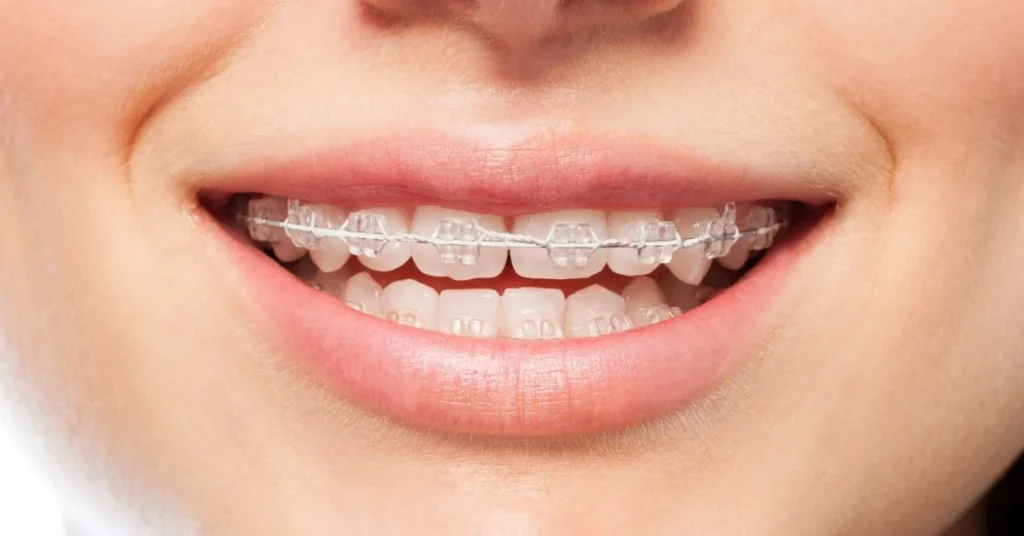
Patients with severe crowding need treatment to restore proper teeth alignment for optimal functioning. Your doctor will evaluate your teeth to recommend the best treatment plan. It is important to have realistic expectations during your treatment. Your doctor may recommend clear aligners if you want removable orthodontic appliances for convenience. This benefit is particularly useful in maintaining optimal oral health. You can easily brush your teeth when you are on clear aligners’ treatment because you can take them off and brush them. Braces are fixed onto your teeth, and thus difficult for you to thoroughly brush or floss your mouth. For more complex cases, traditional braces in La Quinta, CA may be the recommended solution to achieve lasting alignment.

Clear aligners offer an advanced treatment plan with multiple benefits. For example, your doctor will take 3-D images of your teeth before treatment and enter the results in the Invisalign system. The system can create images that predict your teeth’ appearance after you complete treatment. Your doctor will customize a set of aligners you will wear during the treatment to achieve the desired result.

One of the most significant factors influencing the success of any orthodontic treatment, including clear aligners, is your commitment to attending regular follow-up visits. Your doctor will recommend follow-up visits for clear aligners to appreciate your teeth straightening progress and thus recognize opportunities to adjust your appliances into another set that offers a tight fit.

Patients can benefit from the efficiency and effectiveness of clear aligners.

Patient-centeredness is critical during orthodontic treatments to ensure accurate recognition of concerns and develop and implement appropriate approaches to achieve desired outcomes. Your doctor will conduct necessary diagnostic tests to reveal your concerns. Please inform your doctor about any challenges with speech or chewing that might indicate underlying concerns to recognize our need for orthodontic realignment.

Clear aligners may be the solution to help you address malocclusion issues that might be affecting your speech and lowering your self-esteem to express yourself around your loved ones. This treatment forces teeth and bone realignment to promote an optimal oral structure for improved speech and appearance.

It is important to talk to your dentist about your preferred treatment goals to guide them toward developing an effective approach to solving your concerns. It would best to recognize any dental misalignment and thus seek early treatment to restore structure and optimal teeth function. Contact Gaiduchik Orthodontics to discuss how clear aligners can fix your teeth by addressing your occlusion concerns for a rejuvenated smile. 

Dental cleaning is the process of removing plaque, tartar, and other deposits from your teeth. This can be done by brushing and flossing, but it is crucial to go for professional dental cleaning Midtown East to prevent cavities and gum disease.

Here are the benefits of professional dental cleaning.

Why is dental cleaning necessary?

  1. Helps create a perfect smile

Dental plaque, tartar, and bacteria can build up on your teeth over time if you don’t brush and floss regularly. Dental plaque can cause gum problems, tooth decay, bad breath, and cavities. However, a professional dental cleaning service will help keep your teeth healthy and your smile looking great. A trusted Marinette and Peshtigo family dentist can provide these cleanings along with preventive care to protect your oral health.

  1. Prevents gum disease

Gum disease is a serious oral health problem affecting millions of Americans yearly. Gum disease causes inflammation that leads to bleeding gums, bad breath, tooth loss (cavities), and infections in other parts of the body, like the intestines or bones (osteoarthritis). Regular dental cleanings can help prevent gum disease by removing plaque and tartar buildup on teeth, so they stay healthy.

  1. Improves overall oral health

Dental cleaning helps improve your overall oral health by eliminating plaque and bacteria buildup from your teeth and gums. Plaque is a sticky substance that forms on your teeth and hardens into tartar after eating, drinking, or smoking. Tartar is made up of mineralized plaque that has become hardened. Regular dental cleanings can help prevent this buildup from occurring, which can lead to tooth decay and gum disease.

  1. Helps prevent cavities

A dental cleaning can also help prevent cavities in your teeth and gums. Cavities are caused by a buildup of plaque and tartar on your teeth, resulting in an open cavity in the tooth’s surface. Dental cleaning helps remove these deposits before they cause problems for you or your child’s developing teeth.

  1. Increases saliva flow

Dental cleanings can help increase the amount of saliva you produce. This is crucial for many reasons, including helping to keep your teeth and gums healthy. The increased saliva helps to keep your mouth moist, which makes it easier for you to brush and floss your teeth effectively. It also helps prevent cavities, bad breath, and stains on your teeth.

  1. Strengthens your gums

Dental cleaning helps to strengthen the gums. When you have a dental cleaning, your dentist uses special tools to remove plaque and tartar buildup between your teeth. This buildup can cause gingivitis and other gum problems, so removing it is crucial.

  1. Kills germs

Dental plaque is a breeding ground for bacteria. Bacteria feed on the food left on your teeth after eating and on sugars in your saliva. The more you eat, the more plaque you create, which causes problems such as bad breath and cavities. When you visit the dentist to clean your teeth, the cleaning involved in this process kills off all these harmful bacteria.

Dental cleaning is the process of removing plaque and tartar from your teeth. Plaque can cause gum disease, bad breath, toothache, and tooth decay. Tartar is a hard deposit of bacterial byproducts that can lead to gingivitis. The bacteria in the plaque multiply rapidly, causing inflammation and pain. However, professional dental cleaning services by Dr. Aaronson & Associates prevent this from happening.

When your teeth do not have enough room to grow, they will grow in abnormal positions as they compete for growing space with your other teeth. While dental crowding has become a major orthodontic concern, there are many treatment solutions available such as Invisalign and dental braces. Various factors can result in dental crowding like when you have a small jaw and large teeth, have too many or extra teeth, have large teeth and cannot fit comfortably in your jaw, have a narrow palate, and when you have a missing or broken tooth and the adjacent teeth begins to shift to a different position. In this article, we will look at the different treatments performed by a crowded teeth specialist.

Clear aligners

The most recommended treatment for dental crowding is the use of clear aligners. This is because they are very effective and involve non-surgical techniques accompanied by few health risks. Clear aligners are also hardly noticeable to the naked eye, making them appear similar to your natural teeth. Clear aligner treatments can last up to 12 months but produce faster treatment outcomes. They also require fewer dental appointments, making them the perfect dental solutions if you have a busy work schedule. Aligners are customized to allow for a perfect fit over your teeth and help properly align your crooked teeth. Another notable advantage of using clear aligners is that they are easily removable, making them more convenient and less restrictive than dental braces. For proper guidance and monitoring, an experienced Oshawa dentist can provide the right clear aligner treatment plan.

Dental braces

Crowded teeth can also be treated by dental braces, which have proven very effective in straightening crooked teeth. However, there are some downsides to using dental braces, such as being difficult to clean, can cause white stains or spots on your enamel, and resulting in tooth decay and gum disease.

Retainers

For mild cases of crowded teeth, your healthcare provider will prescribe you with retainers to help restore proper alignment of your teeth. Your teeth can sometimes rearrange themselves back to their original positions, but retainers help accelerate this process and provide even teeth alignment results. For satisfactory results, you are advised to wear your retainer as recommended by your dentist.

Tooth extraction

Tooth extraction procedures are usually recommended for severe cases of crowded teeth. During these procedures, your practitioner will have to extract some of your teeth that are not required for proper oral health. If you need a tooth extraction, your doctor may refer you to a qualified dental expert or oral surgeon who will help with the extraction process. After the procedure and you have completely healed, your doctor will now guide your teeth into proper alignment to alleviate dental crowding.

Dental veneers

Dental veneers are usually recommended for mild cases of crowded teeth. They work by altering the aesthetics of your tooth to allow for a perfect fit and a more appealing smile. The only downside with veneers is that it requires removing some part of your enamel before installation.

 Generally, cases of crowded teeth tend to worsen with advancing age. While the effect varies from one patient to another, untreated crowded teeth can result in further oral health problems as you become old. The treatments for crowded teeth also depend on several factors, including; the severity of the condition, your overall health, and age. Some of the available treatments for crowded teeth are clear aligners, veneers and braces. Mild cases of crowded teeth can be treated within eight months, and more severe cases can take up to two years.

The best gift you can offer to your loved ones is ensuring their oral health by covering all their needs under a family dentistry practice. Imagine how frustrating it can be to have two family members suffer from a toothache, and you must drive each to different dental practices. This is among the top reasons you should cover your family’s dental wellness with TLN Family Dental. Making such a bold decision will reap incredible benefits for you and your entire family. Let’s dive into the top reasons why family dentistry is beneficial.

1. They provide a wide range of services

Family dentistry incorporates highly experienced dentists who are well-trained to offer various services. This is the typical reason they address dental concerns of people of different ages. Their level of expertise allows them to treat oral health issues for children, young adults, and older adults. Their services range from general, restorative, and cosmetic dentistry, among many others. Regardless of what you or your loved ones need to restore their smile, your answer lies with family dentistry, including trusted options like Cosmetic dentistry in Livermore, CA.

2. They help track certain dental troubles that run in your family

It’s no secret that many dental issues run in the family and, if not detected earlier, can affect your entire generation. If your parents suffer from certain dental imperfections, they are also likely to impact your oral health and that of your children. Therefore, a family dentist in your closet can detect such genetic problems and tailor quality treatments and lifestyle changes to stabilize them. This also helps your family dentist look for appropriate treatments for your children.

3. Support for proper dental hygiene

One of the leading causes of many oral ailments is poor hygiene. However, family dentistry practices encourage you on the best techniques to brush and floss for you and your loved ones. Furthermore, your family dentist will constantly support you in efforts to teach and reward good dental hygiene, which will go a long way in preserving your smile in the long run.

4. They offer emergency care

Nothing can be as frustrating as getting home from work to get your child with a severe tooth injury without a dentist to rely on. Typically, kids fall and sustain serious injuries that can cause unexpected trauma. In such a case, your family dentist is just a call away and will treat any emergencies that befall you or your family members.

5. Education and updates

Family dentistry gives you a wealth of instructions about routine daily care, proper diet, and toothpaste selections. Family dentists will also provide updates on the latest dentistry technologies to improve your family’s oral care. Such education and updates go in handy in ensuring you stay up to date with your oral health and how you can safeguard your family’s smile.

Family dentistry is becoming popular over the years because of the tremendous benefits they provide for its patients. You, too, shouldn’t be left behind! This year, having a professional family dentist protect and treat your family’s oral health should be your optimal goal. Moreover, this is the best step towards prevention, early detection, advanced treatment, education, and convenience for your entire family’s dental health.

Managing large-scale landscaping projects comes with its share of logistical and budget challenges. From sourcing materials to coordinating labor and delivery schedules, every decision impacts the bottom line. For those sourcing landscape supply in Alpharetta, placing bulk orders is a strategic move that brings significant benefits from lower costs to greater efficiency and improved sustainability.

Let’s break down how bulk landscape supply orders can enhance the success of your next big outdoor project.

Bulk Orders Offer Cost Savings and Convenience

Buying materials like mulch, gravel, soil, or stone in bulk is one of the most cost-effective strategies for large landscaping projects. Bulk purchases typically come at a discounted rate compared to smaller individual orders, which can drastically reduce your per-unit costs. When dealing with expansive areas, that price difference adds up quickly.

Beyond pricing, bulk orders also reduce delivery fees and simplify logistics. Instead of scheduling several smaller deliveries, a single shipment ensures all your materials arrive at once, allowing your crew to work uninterrupted. Having materials readily available on-site also minimizes the risk of project delays due to supply shortages.

Additionally, ordering in bulk offers better consistency. You’re more likely to receive uniform products whether it’s the color of mulch or the texture of soil, ensuring a professional and cohesive finish throughout the landscape.

Maximizing Material Use and Reducing Waste

Another advantage of bulk ordering is the opportunity to better manage and reuse resources. With proper planning and expert guidance, excess material doesn’t go to waste. For example, understanding techniques for reusing potting soil allows landscapers to extend the utility of leftover product from one phase of the project to another. This can save both time and money while supporting plant health.

Bulk supply also encourages thoughtful planning. When materials are ordered in large quantities, it prompts better estimation and usage habits, helping teams avoid over-ordering or running short midway through the job. Landscape professionals often recommend storing bulk materials in dedicated areas to preserve quality and extend their shelf life.

Supporting Sustainable Practices on Large Sites

Large landscaping projects can have a considerable environmental footprint. Bulk landscape supply orders are a practical way to reduce that impact. Fewer trips for delivery mean reduced fuel usage and lower emissions. Moreover, bulk packaging minimizes plastic waste associated with smaller bags or containers.

Environmentally conscious teams also seek guidance on the sustainable use of landscape supply products to ensure that their material choices align with long-term ecological goals. From compostable mulch to recycled aggregates, sourcing the right products in the right volume plays a big role in eco-friendly landscaping.

These practices not only protect the environment but also support healthier soil, improved water retention, and reduced runoff critical factors in maintaining a vibrant, resilient outdoor space.

Conclusion

Bulk landscape supply orders are more than just a cost-cutting measure they’re a smart, sustainable, and efficient solution for managing large-scale projects. If you’re overseeing a commercial build or a residential overhaul and require landscape supply, bulk ordering helps ensure timely execution, consistent materials, and reduced environmental impact. With the right planning and professional support, your landscape will thrive visually and functionally for years to come.