
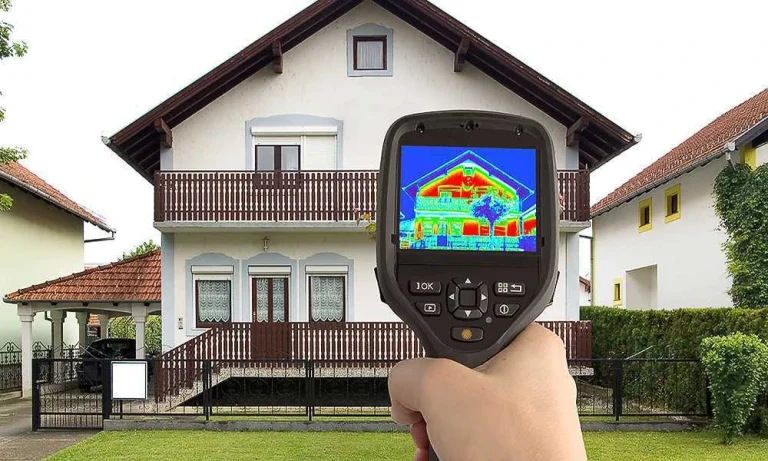
Picture January in Minnesota. The furnace kicks on at 5 a.m., runs for twenty minutes, and the bedroom still feels like a walk-in cooler. You check the thermostat. It reads 68. You press your hand against the glass next to the bed and feel it immediately: the window is the problem. It always was.
Cold-climate homeowners pour money into HVAC upgrades, insulation, and weatherstripping while the windows sit there, untouched, bleeding heat into the night. The energy loss is real, it’s measurable, and it’s one of the most underestimated budget leaks in older homes across Minnesota, Wisconsin, and any state where winter means business.
This piece breaks down exactly why windows underperform in extreme cold, how to tell which ones are costing you the most, and what a smart replacement plan actually looks like.
How Much Are Your Windows Actually Costing You?
Most homeowners guess that the attic or the HVAC system is their biggest efficiency weak point. Windows rarely top that list. They should.
Energy-efficient windows are an important consideration for both new and existing homes. According to the U.S. Department of Energy, heat gain and heat loss through windows are responsible for 25% to 30% of residential heating and cooling energy use. That’s a staggering share of your utility bill traced directly to glass and frame performance, and it only gets worse in climates where temperatures routinely drop below zero.
The math hits differently when you’re paying to heat a home in the Upper Midwest. A house with a dozen aging single-pane or failed double-pane windows isn’t just uncomfortable. It’s structurally inefficient in a way no programmable thermostat can fix. You can find the full technical breakdown of window heat transfer mechanisms on the U.S. Department of Energy’s Energy Saver page on energy-efficient windows, which outlines exactly why window choice matters so much in cold climates.
The fix isn’t always full replacement, but in many cold-climate homes, it is. Single-pane glass, broken seals in double-pane units, and frames that have warped or cracked over years of freeze-thaw cycling all disqualify a window from being repaired. Those need to go.
The Window Triage Framework
Not every window in your home is equally urgent. Replacing them all at once isn’t always financially practical, so smart homeowners prioritize. The Window Triage Framework gives you a repeatable way to rank windows by urgency before you talk to a single contractor.
Priority 1: Failed seals. Fogging or condensation between the panes of a double-pane unit means the insulating gas has escaped and the window’s thermal performance has collapsed. These are your most urgent replacements regardless of window age.
Priority 2: North-facing and windward-facing windows. In Minnesota and Wisconsin, north and northwest exposures take the hardest beating in winter. Cold air presses against those surfaces longest. If you’re triaging, these come next.
Priority 3: Drafty frames. Run a lit stick of incense along the frame edges on a cold, windy day. If the smoke moves sideways, you have air infiltration. Caulk can sometimes fix this. Rotted or severely warped frames cannot be caulked into performance.
Priority 4: South-facing single-panes. These get natural solar gain in winter, which partially offsets heat loss. Replace them, but they’re your lowest urgency on a cold-climate priority list.
Work through your home with this lens before you budget anything. It turns an overwhelming project into a phased, financially manageable plan.
What to Actually Look for in a Replacement Window
The spec sheet on a replacement window can feel like alphabet soup. U-factors, solar heat gain coefficients, low-e coatings, gas fills. Here’s what actually matters for cold-climate performance.
U-factor below 0.30. The U-factor measures how quickly a window loses heat. Lower is better. For Minnesota and Wisconsin winters, aim for 0.25 or below if the budget allows.
Double- or triple-pane glass with argon or krypton fill. The inert gas fill between panes dramatically slows conductive heat transfer. Triple-pane units cost more upfront but perform meaningfully better in sustained below-zero conditions.
Low-emissivity coatings. A low-e coating is a microscopically thin metallic layer that reflects radiant heat back into the room in winter. For cold climates, you want a high solar heat gain coefficient paired with a low-e coating to pull in solar warmth while retaining interior heat.
When you’re ready to move forward, choosing a contractor experienced in energy-efficient window and door replacement in cold-climate conditions makes a measurable difference. Installation quality affects real-world performance just as much as the window’s rated specs. A perfectly specced window installed with poor flashing or inadequate insulation around the frame will still underperform.
Why the Midwest Makes This Problem Worse
Space heating and air conditioning already consume the largest slice of residential energy use in the country. According to the U.S. Energy Information Administration’s 2020 Residential Energy Consumption Survey, more than half of a household’s annual energy consumption, specifically 52%, goes to just two end uses: space heating and air conditioning. In the Midwest, where winters run long and deep, that heating share skews even higher. The EIA’s Residential Energy Consumption Survey tracks these patterns in detail and consistently shows that cold-climate states carry disproportionate heating burdens compared to the national average.
Minnesota and Wisconsin homeowners are already starting from a disadvantaged position on energy costs. A home with underperforming windows in those states isn’t just slightly inefficient. It’s running a race with a flat tire. Upgrades that would be optional improvements in southern climates become genuinely necessary maintenance in the Upper Midwest.
“Windows are essential elements of most buildings, but can be among the most energy-wasting parts of a home. Although they constitute only 10% of the surface area of a typical home, they can account for 30 to 40% of the heat loss in winter.” – U.S. Department of Energy, Building Technologies Office
A Practical Checklist Before You Call a Contractor
Skipping the prep work is the most common way homeowners end up buying more than they need or getting a quote that doesn’t reflect their actual situation. Go through this before any sales conversation.
- Count every window and exterior door in the home. Include basement windows and garage entry doors.
- Note the frame material (wood, aluminum, vinyl, fiberglass) and the approximate installation year if you know it.
- Check each double-pane unit for fogging or visible seal failure on a cold morning when interior humidity is higher.
- Run the incense test along every frame to locate air infiltration points.
- Pull your last 12 months of energy bills. Note whether heating costs spiked in months that had unusual cold snaps. If the bills don’t reflect obvious spikes, your envelope may be performing fine and your HVAC is the real problem.
- Photograph any water staining, rot, or frost accumulation on interior frames. These are red flags a good contractor will want to see before quoting.
Bring this information to your first contractor conversation. A contractor who doesn’t ask for it is worth questioning.
| Window Type | Typical U-Factor | Cold-Climate Performance | Relative Cost |
|---|---|---|---|
| Single-pane (no coating) | 0.90 to 1.20 | Poor | Low |
| Double-pane (basic) | 0.45 to 0.55 | Fair | Moderate |
| Double-pane low-e with argon fill | 0.25 to 0.35 | Good | Moderate to High |
| Triple-pane low-e with krypton fill | 0.15 to 0.25 | Excellent | High |
U-factor ranges are general industry benchmarks. Actual performance varies by manufacturer and installation quality.
The Window You Keep Ignoring Is Getting More Expensive Every Winter
There’s a version of this decision where you put it off another year, patch the drafts with rope caulk in October, and tell yourself you’ll deal with it next fall. That version works until it doesn’t. Failed seals get worse, not better. Frames that flex and crack in freeze-thaw cycles don’t stabilize on their own. And every winter you wait is another heating season where 25 to 30 cents of every dollar you spend on warmth escapes through the glass.
The checklist above takes an afternoon. The triage framework takes one Saturday morning walk-through. Neither requires a contractor to execute. Do those first, and you’ll enter every contractor conversation knowing exactly what you have, what you need, and what questions to ask.