Category

Health

Category

Introduction

There is no question that healthcare is expensive. The cost of medical care has been rising steadily for years, and there is no end in sight. This is a problem for everyone, but it is especially a problem for those who do not have health insurance.

If you do not have health insurance in medical expense insurance, you are responsible for the entire cost of your medical care. This can be a very difficult burden to bear. There are a number of ways to get health insurance, and each has its own set of pros and cons. In this article, we will take a look at the different types of health insurance plans and help you decide which one is best for you.

The Cost of Healthcare

The cost of healthcare is one of the biggest concerns for Americans. The average cost of healthcare in the United States is $9,086 per person. This means that the average family of four pays $36,344 per year on healthcare. This is a lot of money, and it can be a burden for families. There are many factors that contribute to the high cost of healthcare. These include the cost of medical procedures, the cost of prescription drugs, and the cost of insurance.

One of the biggest factors in the high cost of healthcare is the cost of medical procedures. Medical procedures can be very expensive. The average cost of a hospital stay is $2,936 per day. The average cost of a heart surgery is $54,000. The average cost of a knee replacement surgery is $30,000. These are just a few examples of how expensive medical procedures can be.

The Types of Healthcare Plans

There are four main types of healthcare plans: Health Maintenance Organizations (HMOs), Preferred Provider Organizations (PPOs), Point-of-Service (POS) plans, and High Deductible Health Plans (HDHPs).

Health Maintenance Organizations (HMOs) are the most restrictive type of healthcare plan. You must see doctors and other healthcare providers that are in the HMO network. You will need to get a referral from your primary care doctor in order to see a specialist. HMOs typically have lower monthly premiums than other types of healthcare plans.

Preferred Provider Organizations (PPOs) are less restrictive than HMOs. You can see out-of-network doctors, but you will pay more for their services. PPOs typically have higher monthly premiums than HMOs.

Point-of-Service (POS) plans are a mix of HMOs and PPOs. With a POS plan, you can see out-of-network doctors, but you will pay more for their services. You will also need to get a referral from your primary care doctor in order to see a specialist. POS plans typically have higher monthly premiums than HMOs.

High Deductible Health Plans (HDHPs) have high deductibles, which means you will have to pay more out-of-pocket before your insurance company starts to pay for your medical expenses. HDHPs typically have lower monthly premiums than other types of healthcare plans.

Conclusion

There is no one-size-fits-all answer when it comes to the best healthcare plan for you. The best plan for you will depend on your individual needs and circumstances. However, by carefully considering the pros and cons of each type of healthcare plan, you can make an informed decision that is right for you.


Are you experiencing pain in the buttocks? You might be suffering from piriformis syndrome. The piriformis is a small muscle situated deep into the buttocks near the top of the hip and is essential in stabilizing the hip in every motion. Newtown piriformis syndrome occurs when the piriformis muscle spasms cause pain in your buttocks. A piriformis muscle spasm might also exert pressure on the sciatic nerve causing tingling, pain, or numbness in the leg, buttocks, and foot. Fortunately, there are effective treatments for piriformis syndrome. Here is an exclusive look at everything you need to know about piriformis syndrome.

How Does Piriformis Syndrome Feel Like?

Although many factors can contribute to piriformis syndrome, the exact cause is still unknown. Some common causes of the condition include muscle tightening, spasms, swelling, or bleeding of the piriformis muscle because of a traumatic injury or irritation. The main symptom of piriformis syndrome is tingling or pain in the buttocks. The pain is usually severe when running, walking, or sitting for a long time.

What Are the Best Treatment Options for Piriformis Syndrome?

Ice Massage

Immediately you experience pain in your buttocks, lie down on your stomach comfortably and apply some ice on the area for around twenty minutes. If possible, have someone massage the painful area with an ice cube gently for around ten minutes. Repeat this after every three to four hours.

Heat Therapy

Alternatively, you can relieve piriformis syndrome pain by alternating cold with heat. Lie on your stomach and place the heating pad on the area for about twenty minutes.

Anti-Inflammatory Medications

Over-the-counter NSAIDs such as ibuprofen can help relieve pain and swelling.

Piriformis Injections

Based on your symptom severity, your doctor might administer an injection to your piriformis muscle. The injection consists of a corticosteroid and a local anesthetic to help relieve the pain and spasm. In severe cases, your provider might recommend Botox injection. A Botox injection helps to relax the Botox muscle and relieve pressure on the sciatic nerve. 

Electrotherapy

Electrotherapy is another alternative treatment for piriformis syndrome. It involves electrical stimulation with an interferential current stimulator or transcutaneous electrical nerve stimulation unit to decrease piriformis muscle spasm and decrease pain.

Physical Therapy and Stretching

One of the best treatments for piriformis syndrome is progressive muscle stretching. Your doctor might recommend stretching exercises that help to relax your piriformis, hip muscles, and hamstring. Stretching, physical therapy, and deep massages can decrease muscle spasms and improve blood flow.

Surgery

If other conservative options are ineffective, your doctor might recommend surgery as the last solution. The surgery is aimed at cutting the piriformis to relieve pain.

How Can You Prevent Piriformis Syndrome?

Maintaining a good posture and proper form during workouts is essential in preventing piriformis syndrome. Always warm up before engaging in intense physical activity and gradually increase your workout intensity. You should also avoid exercising or running on uneven ground or hills. If you have any pain, give yourself rest until the pain goes away.

Ultimately, piriformis syndrome happens when the piriformis muscle exerts pressure on the sciatic nerve. The condition causes numbness, pain, and tingling in your hip, butt, or upper leg. Most of these episodes go away in a few weeks or days with simple treatments and rest. However, you should talk to your healthcare provider if the symptoms last more than a few weeks or if an injury caused the pain.

The sciatic nerve is the lengthiest nerve inside the body; thus, there are several different ways it could become damaged or compressed. Anybody with sciatica or a sciatic nerve impingement understands how disturbing the condition could be. As a result, getting to the core of your Las Vegas sciatica discomfort and devising a treatment strategy is critical. Here are the five common reasons for sciatica and what solutions exist to address these conditions. 

  1. Spinal Disc Herniation

A herniated disc compressing the nerve is the most common reason for sciatic nerve discomfort and accompanying symptoms. As you age, the spinal discs are more susceptible to shifting out of position if they are overly stressed, and if they do, they could obstruct adjacent nerves.

The sciatic nerve is frequently squeezed, particularly when a herniated disc occurs in the lumbar spine. Sciatic nerve discomfort generated by a displaced spinal disc can be relieved with physical therapy or minimally invasive surgery to eliminate a portion of the herniated disc.

  1. Spinal Stenosis

Spinal stenosis is a disorder wherein the space through which the spinal nerves move narrows. As the space for the spinal nerves to travel through shrinks, the nerves in the region could become squeezed, resulting in sciatica.

Stenosis could develop with age or because of injury to the region. Corticosteroid injections and anti-inflammatory drugs help soothe irritated nerves. Unfortunately, if these therapies fail, surgery might be appropriate.

  1. Trauma

Trauma to the sciatic nerve or the tissues through which it travels could cause inflammation, pain, and compression. Physical injury to the sciatic nerve could occur in various situations, including falls, car accidents, and sports injuries.

Anti-inflammatory drugs and rest could assist in alleviating discomfort while healing and inflammation diminish. However, more serious injuries might necessitate hands-on care from a neuro specialist.

  1. Spondylolisthesis

Spondylolisthesis is a spinal disorder defined by the slipping or shifting of one vertebra over another. Nerve root compression and sciatic nerve discomfort in the legs could result from spinal slippage. This condition might result from normal physical degeneration, trauma, or because of genetic predisposition.

Physical therapy, corticosteroid injections, and rest all assist in alleviating discomfort. Nonetheless, surgery may be necessary if conservative measures fail.

  1. Muscles Spasms

Numerous muscles in the legs and back are innervated by the sciatic nerve and its many branches. Spasms in the muscles can exert tension on the nerve or branches, resulting in sciatica symptoms. Once spasms are addressed with easy nonsurgical medical interventions such as anti-inflammatory medicines, activity restriction, physical therapy, and bracing, symptoms are usually resolved.

  1. Osteoarthritis

The deterioration of joint soft tissue and bone caused by aging or injury is known as osteoarthritis. Like all other bodily joints, the spine’s facet joints are prone to osteoarthritis. Once the soft tissue and facet joint bones become inflamed and irritated, the adjacent nerves could also become affected.

In some circumstances, bone spurs could form and exert pressure on nerve roots, resulting in sciatica. Typical care solutions include physical therapy, steroid injections, and surgery.

Sciatica is best handled when detected early. Therefore, always be on the lookout for warning signs of sciatica, including lower back pain, radiating pain, weakness, tingling, or numb sensations in the feet or legs. Your spine specialist should provide a care plan that manages the symptoms of sciatica and addresses the underlying causes.

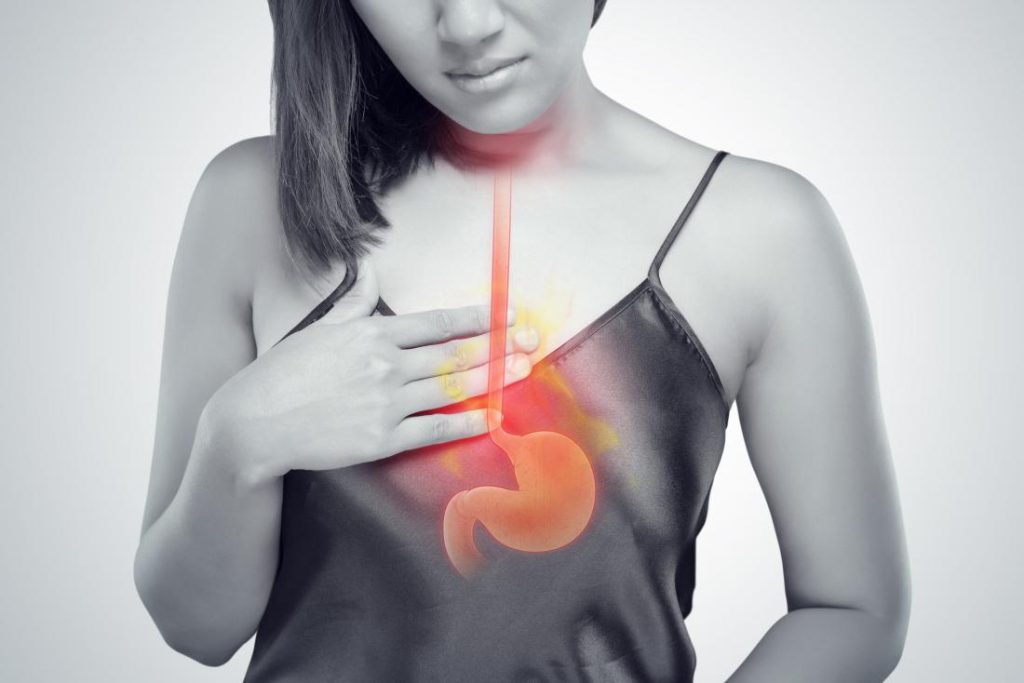
Acid reflux happens when the sphincter muscle at the lower end of the esophagus relaxes, allowing stomach acid to go up into your esophagus. Heartburn and a sour or bitter taste in your throat or mouth are the main symptoms of acid reflux. You may experience other symptoms like bloating, burping, nausea, hiccups, dysphagia and dry cough, hoarseness, or chronic sore throat. Hiatal hernia is a common cause of Cypress acid reflux. The condition can be triggered by eating large meals, snacking close to bedtime, being overweight, smoking, and taking certain foods and drinks like alcohol, tomato, fatty foods, and coffee. You can relieve acid reflux in many ways, including:

Avoid certain foods and drinks

Fatty foods like tomatoes, mint, garlic, spicy, onions, tea, coffee, chocolate, and alcohol can trigger acid reflux. Avoid eating these foods regularly if they lead to acid reflux. Carbonated drinks make you burp, sending acid into your esophagus. Drink flat water instead of sparkling water.

Avoid large meals

Taking large meals may make your stomach too full, causing acid reflux. You can alter your meals by eating small amounts of food frequently than taking three large meals in a day. If you experience acid reflux after eating large meals, taking small amounts several times can help your condition.

Stay up after eating

Lying in bed immediately after eating can cause acid reflux. Gravity helps keep acid in your stomach when you are standing or sitting. Doctors recommend you do not go to bed immediately after eating. Take at least three hours before you lie down. Also, avoid naps after lunch, late supper, and midnight snacks.

Check your medications

Some medications, such as postmenopausal estrogen, tricyclic antidepressants, and anti-inflammatory painkillers, can relax your sphincter, causing acid reflux. Bisphosphonates drugs like Fosamax, Boniva, and Actonel that help increase bone density can irritate your esophagus, causing acid reflux. Talk to your doctor if your acid reflux persists after taking these medications.

Observe the proper sleeping position

Sleeping with your head six to eight inches higher than your feet can help relieve acid reflux. You can achieve this inclination by using a foam wedge support for your upper body while you sleep. Creating a wedge by stacking pillows may not provide the uniform support you need.

Do not move too fast

Avoid vigorous exercise for a few hours after eating. Vigorous activities like jumping and running or strenuous workouts, especially the ones that involve bending, can send acid into your esophagus, leading to acid reflux. Taking a stroll after dinner is okay.

Lose weight

Being overweight or obese can spread the muscular structure that supports your lower esophageal sphincter, reducing the pressure that holds the sphincter closed. This sphincter relaxation can lead to reflux or heartburn. Losing excess weight can help relieve acid reflux. Your weight loss specialist can help you create a program for effective results.

Acid reflux happens when the sphincter muscle at the lower end of the esophagus relaxes, allowing stomach acid to go up into your esophagus. You can relieve acid reflux by avoiding large meals before bed, losing excess weight, and avoiding certain drinks and medications. Schedule an appointment at GastroDoxs for acid reflux treatment to relieve your heartburn. 

When was your last time to have an appointment with your doctor? If you cannot recall, you are missing the golden opportunity to maintain your overall health. While many people think it is necessary to see the doctor only when you have health concerns, a regular visit to the health care provider is recommended to stay in tune with your health. Through the Phoenix annual exam, your health provider monitors different parameters such as blood pressure, thus enhancing timely treatment in case something is wrong. If you plan for your next annual exam appointment, here are tips to help you get optimal results from your visit.

Get Quality Sleep

Some people are nervous about annual cancer screenings and blood pressure tests. Fortunately, you can fight anxiety through optimal relaxation as you wait for your medical checkups. Sleeping for at least seven to eight hours the night before your appointment will help to keep your blood sugar healthy and also maintain the wellness of your nervous system.

Skip the Physical Activities

While regular exercises are crucial in maintaining your overall health, your doctor recommends avoiding activities before your medical exam. Notably, the exercises, especially the strenuous ones, increase the heart rate, which may undermine the tests during your annual exam appointment. Skip those activities and resume them after your appointment to continue living a healthy life.

Stop Smoking

Do you know that smoking the morning before your annual exam can hinder the test results? Notably, cigarette constituents increase the chances of hypertension which usually impedes blood pressure tests. Also, if you have sought insurance coverage for your annual exam, the insurance company may lower the price upon learning that you smoked.

Therefore, you should quit smoking for at least one month before your checkup appointment.

Understand Your Medications

Many people will refer to some medications based on color, like “white pills,” which usually leave questions to your healthcare provider during the annual exam appointment. It is, therefore, important to note the correct name and dosage of medication before your annual exams. Revealing the correct information about the medications you take helps your doctor recommend treatment options that do not cause drug interactions during and after an appointment.

Fast

Your doctor will recommend you avoid any meal or drink for at least twelve hours before the medical assessment. This measure will help to reduce the risk of high blood sugar that could interfere with the physical exam results. However, if you have medical conditions that could worsen upon fasting, such as heart burns, your practitioners will offer alternative tips for dietary changes.

Regular visits to healthcare providers are indispensable for maintaining overall health. Your doctor will suggest you make an appointment with them at least once yearly. The annual exams help monitor your health even if you feel okay. When anticipating a medical checkup appointment, it is good to prepare to get the best experience. For example, you should get quality sleep before the appointment to ease any anxiety that you might have. Refraining from cigarette smoking is also ideal for improving medical assessments’ effectiveness.

Did you know that there are several treatments available for spider veins? This condition develops when small, thin veins appear on the skin’s surface. They develop due to faulty valves or a thinning of the blood vessel wall. Although they can appear anywhere on the body, they most frequently do so on the legs or the pelvic region. Dr. Atur Kasha El Paso can help design a customized treatment plan suited to your particular needs.

There are various causes of spider veins, including:

  •  Hormonal changes in the body: Your hormones can cause these veins to appear, especially during pregnancy or menopause.
  • Prolonged sitting: Sitting in the same position for a long period can contribute to the appearance of spider veins.
  • Standing for long periods: People who stand for prolonged periods are more likely to develop spider veins due to increased pressure on their veins.
  • Hereditary: Genetics can also play a role in developing spider veins.
  • Injury to the skin: Sun damage, poor nutrition, and other injuries to the skin can lead to spider veins.
  • Excessive weight gain: Being overweight or obese can put increased pressure on veins, leading to the development of spider veins.
  • Sun exposure: Too much sun exposure can cause spider veins to appear.
  • Use of birth control pills: Hormonal birth control pills can increase the risk of developing spider veins.

The common symptoms of spider veins are:

  • Burning or throbbing sensations throughout the area
  • Swelling of the surrounding tissue
  • Aching or heaviness in the legs

If you have spider veins, your doctor will likely recommend one of several treatments. These include:

Sclerotherapy

Varicose vein pain and discomfort can be treated with this procedure and can stop complications like ulcers and vein bleeding. Additionally, it can be used to enhance appearance merely. Sclerotherapy involves injecting a specially formulated detergent or a highly concentrated saline (salt) solution into the vein.

The chemical causes the vein’s anterior to become inflamed and scarred, causing the vein to collapse and gradually disappear over 3 to 6 weeks. The removal of larger veins could take six months.

Laser therapy

This treatment involves using laser energy to seal off the affected vein. It is often used in combination with sclerotherapy, typically requiring multiple treatments to achieve desired results. The process entails using a laser to heat the vein from the outside and seal it shut. The result is that the spider veins are eliminated or significantly reduced.

Endovenous ablation

This procedure uses radio frequency energy or lasers to create a controlled injury in the vein, causing it to collapse and be reabsorbed by your body. The procedure is typically done with local anesthesia and requires minimal recovery time.

Ambulatory phlebectomy

This procedure involves surgically removing the affected veins. It’s generally recommended for larger veins and can be done under local anesthesia in an outpatient setting. Recovery time is typically shorter than with endovenous ablation.

Exercise

Regular exercise can help improve circulation and reduce the appearance of spider veins. Talk to your doctor about an appropriate physical activity plan for you.

Compression Stockings

Wearing compression stockings can help reduce the appearance of spider veins by providing support and improving circulation in your legs. Get an appropriately fitted pair from your doctor or a specialist.

Talk to your doctor at Desert West Vein & Surgery Center about the best spider vein treatment.

Nothing can frustrate you like getting an aesthetic treatment only for it to go wrong. Over the years, maybe you have seen your fair share of individuals who fell into the hands of unprofessional aestheticians and live to regret it until today. You, indeed, cannot aspire to be one of the victims. Fortunately, you look no further for the Memorial aesthetic RN procedures are done professionally to ensure you attain your desired results. Although the desire to look stunning is on the rise, there is a high possibility that many people will suffer the consequences of being an unqualified aesthetician. Here are five effective tips to help you select the right aesthetic clinic.

1. Don’t settle for the cheaper ones

With numerous aesthetic clinics erupting, you may compare the prices and settle for the lowest. However, don’t compare aesthetic services with shopping in a mall. Although prices may vary by a few dollars or maybe the clinic is on offer, those offering low prices means their quality of service is down also. Similarly, you may find yourself redoing the procedure again if you settle for the cheapest town clinic. Constantly note that a well-experienced aesthetician won’t charge too cheap as they are confident of the services they offer.

2. Always ask for before and after results

You don’t want to attend a clinic where you haven’t witnessed what they do and the final results of their procedures. To gauge the doctor’s experience, always ask for before and after photos from previous patients. While individual results may vary, you can be sure to receive such improvements after your procedures.

3. Don’t ignore reviews from family members and friends

Chances are high one of your close allies has undergone a particular aesthetic procedure, and seeking knowledge from them can be a significant boost. Moreover, a referral from a loved one means the clinic offers reputable services, and you, too, should give it a shot.

4. Constantly put your focus on the experience

Regarding your overall appearance, we all want to receive the procedure from someone with a wealth of experience. In addition, it means you can’t entrust your health concern to anyone with whom you doubt their expertise. Therefore, it’s critical that you ask for years of experience and proof of their procedures’ effectiveness. Furthermore, visit their clinic’s website to determine whether they can serve your aesthetic concerns.

5. Trust your instincts

Even after doing your background research, it’s beneficial to visit the clinic to clarify your concerns. During the visit, use the opportunity to clearly understand the clinic, the doctors, and the technology. Generally, most aesthetic clinics offer free consultations; therefore, you shouldn’t be afraid to book one. Talk to the doctor and let them comprehend your issues as they explain the various treatment options they can offer for your aid. With your assessment, you will settle for the one that offers top-quality aesthetic services that meet your needs.

Considering the consequences to suffer after opting for the wrong clinic, you should be keen on settling for the right one for you. Nevertheless, it’s not a daunting task since the tips above can be instrumental in helping you find an expert to help you achieve your desired results.

Selecting birth control might be challenging. You have access to more than a dozen possibilities. Not all birth control options, though, are effective for everyone. You may choose the best family planning McAllen method after discussing your options with your doctor and carefully assessing the advantages and disadvantages of each technique.

Here are some more things to consider while selecting a birth control method.

  1. Side effects

Similar to the majority of medical procedures and medications, many birth control methods have some risk of side effects. These detrimental consequences are often mild and momentary. They might, however, also be severe at times.

If you use hormonal birth control, for example, you can notice changes in your mood, weight, menstrual cycle, or other aspects of your health. For example, menstrual periods may become heavier and more painful if you use a copper IUD. See your pharmacist or physician to learn more about the potential risks of various birth control methods. Your medical history may occasionally raise the likelihood of some negative effects.

  1. Ease of use

Certain birth control methods are easier to use than others. IUDs and other long-acting reversible contraceptives like birth control implants are generally rather easy to use. Once your doctor has inserted an IUD or implant, it will prevent pregnancy 24 hours a day for at least three years. Some methods of birth control are less effective. For instance, if you use birth control pills, you must remember to refill your prescription and take them daily. If you fail to take a birth control pill, experience diarrhea or vomiting, or take certain medications, its effectiveness may be lower.

  1. Health issues

The most effective method of birth control is highly dependent on your health. You may select the safest and most efficient contraceptive method

depending on your body type, medical history, and current health status.

Women who have weak immune systems, headaches, or heart issues shouldn’t use hormone-based contraceptives. You’ll feel the effects on your health, which might not be good.

Obese women have lower success rates with hormonal birth control methods. For women over 35 or with concerns about their blood pressure, taking birth control pills may be risky.

  1. Reversibility

Most birth control methods are reversible. They won’t have a long-term effect on your fertility. If you stop using them, you can get pregnant. But surgical sterilization offers a long-term birth control strategy. For male patients, it comprises a vasectomy, and for female patients, a tubal ligation. In rare situations, surgical sterilization can be reversed. In general, though, you should only consider them if you are convinced you will never want to get pregnant again.

  1. Relationship status

When selecting a birth control method, your relationship situation is an important factor that you must consider. Your chance of getting pregnant and contracting STDs is influenced by whether you’re in a monogamous relationship or not.

Your chance of getting an STD rises as you have more partnerships. In these situations, the use of condoms is advised since they act as a barrier against STDs like HIV.

You are permitted to use birth control methods without a protective barrier, such as pills or IUDs if you are in a monogamous relationship with an STD-free partner. You will be safe and won’t ever need to worry about getting pregnant.

Call the Women’s Clinic of the Rio Grande Valley to book your appointment and find the best birth control method.

Crohn’s disease develops once immune cells mistakenly target healthy cells within the gastrointestinal system for foreign intruders, such as germs. The swelling that develops can trigger a range of GI-related symptoms, ranging from minor to severe. Most individuals experience cycles of active illnesses accompanied by remission. Unfortunately, identifying the warning signs of Crohn’s Disease New Hyde Park is not easy, as symptoms vary from one patient to another depending on what part is affected. Nevertheless, if a patient exhibits any of the following concerns, they should consider a diagnosis to rule out the possibility of Crohn’s disease.

Stomach Pain

The discomfort that Crohn’s patients feel is crampy. It frequently arises in the lower right abdomen but could develop elsewhere in the digestive tract. With time, Crohn’s disease might induce scarring in the digestive tract wall, resulting in painful blockages. Chronic swelling associated with abscesses and ulcers in the intestines is a major reason for pain.

Occasionally, discomfort is the only indicator that the condition is developing, and a change in therapy could be necessary.

Nausea

The stomach discomfort linked to Crohn’s disease is sometimes less crampy and intense and feels more nauseating. Nausea could also be associated with vomiting.

Diarrhea and Constipation

If the swelling affects the colon, digestive issues may manifest as stomach aches and diarrhea. Gastroenterologists often suggest consulting a physician if diarrhea persists for two weeks without improvement.

While not as prevalent as diarrhea, Crohn’s disease patients might also experience constipation. Obtain a diagnosis if you experience significant discomfort passing your stool.

The Spontaneous Urge to Use the Restroom

When establishing if Crohn’s disease could cause diarrhea, you should not solely focus on stool consistency. The timing at which you feel to pass stool also matters. Patients with Crohn’s disease often experience abrupt onsets of diarrhea that send them rushing to the washroom.

Bloody Stool

Crohn’s disease could cause fissures in the anus’ lining that could cause infections, bleeding, and discomfort, particularly during bowel movements. Bloody stool is a major concern, especially if it develops together with symptoms associated with Crohn’s disease.

Weight Loss

Persons with Crohn’s disease may realize that they are shedding weight even if they are not actively striving to do so. Often, patients skip meals because it is uncomfortable or because they understand that they must dash to the washroom after meals.

Fatigue

Once your body suffers from swelling, you may experience fatigue. Unlike feeling sleepy or when your body is just experiencing difficulties focusing, fatigue is the state where your entire body generally feels exhausted.

Fever

If your Crohn’s condition is serious enough that it causes an abscess, it can trigger a fever in reaction to the infection in your deep tissues. In other cases, the swelling causes other symptoms that may result in a fever.

Mouth Sores

The persistent swelling from Crohn’s does not simply damage your insides. Some patients might suffer mouth sores throughout flare-ups. Patients with Crohn’s digestive tract get damaged and cannot effectively absorb minerals and vitamins. These inadequacies, combined with swelling, might result in canker sores inside the mouth.

Untreated Crohn’s disease can result in more severe complications like fistula, liver and gallbladder illness, delayed development in kids, and more. Therefore, do not downplay your symptoms. Rather, seek a comprehensive diagnosis, be it a blood test or colonoscopy to rule out or confirm your condition.

Your diet and physical activity level can affect your weight loss goals. If you are struggling to lose weight, you should visit a weight loss specialist Fairfax to help you with a program for remarkable results. The program will address your food intake, relationship with food, and the amount of exercise required to experience results.

What does a weight loss program include?

During the consultation, your doctor will review your medical history, perform a physical examination, and discuss your relationship with food. Once they understand your struggle with weight loss, they can recommend the best approach. Your outcome will depend on your age, starting weight, and desired weight.

The following are the different aspects of a weight loss program:

Body composition testing

Before creating a weight loss plan, your specialist will check your body composition. They will check your fat mass, muscle mass, lean body distribution, and body fat percentage. After the analysis, your doctor will create a plan depending on your condition and needs.

The plan can include ways to create muscle and lose fat or maintain muscle mass while losing fat. Your body composition will affect your diet and physical level plan.

Medication

Depending on your health status, your doctor might recommend prescription medicine to help your weight loss along. For example, if you have an illness that prevents you from getting the recommended amount of exercise, your doctor can recommend appetite-suppressing medication.

While exercise helps strengthen your body, your energy solely depends on your food intake. You will decrease your food and energy intake by suppressing your appetite, which will help you lose weight.

Behavioral counseling

Your relationship with food can directly affect your weight loss goals. Using food to comfort you during stressful times or as a reward might contribute to unnecessary weight gain. If you are in such a situation, let your doctor know so they can advise on the way forward.

Social functions and eating out can affect your plan because you cannot control the food served. That is why behavioral counseling is important to help you navigate such situations. Your specialist will also help you create an exercise plan suitable for your body and needs to keep your body active and healthy.

Meal planning

Meal planning is one of the most significant aspects of a weight loss program. With the help of your nutritionist, you can come up with a list of natural foods that promote healthy weight loss while giving your body the necessary vitamins and nutrients. Your doctor can also include meal replacement products depending on your preferences and needs.

When you plan your meals, you minimize mindless snacking on unhealthy foods. Meal planning will help you learn portion control and save money and time while eating healthy.

If you are trying out different weight loss programs without success, visit Nova Physician Wellness Center for weight loss guidance. You will undergo a complete medical examination to determine the state of your existing health before receiving a customized weight loss plan. Call or schedule your appointment online to achieve and maintain a healthy weight.