
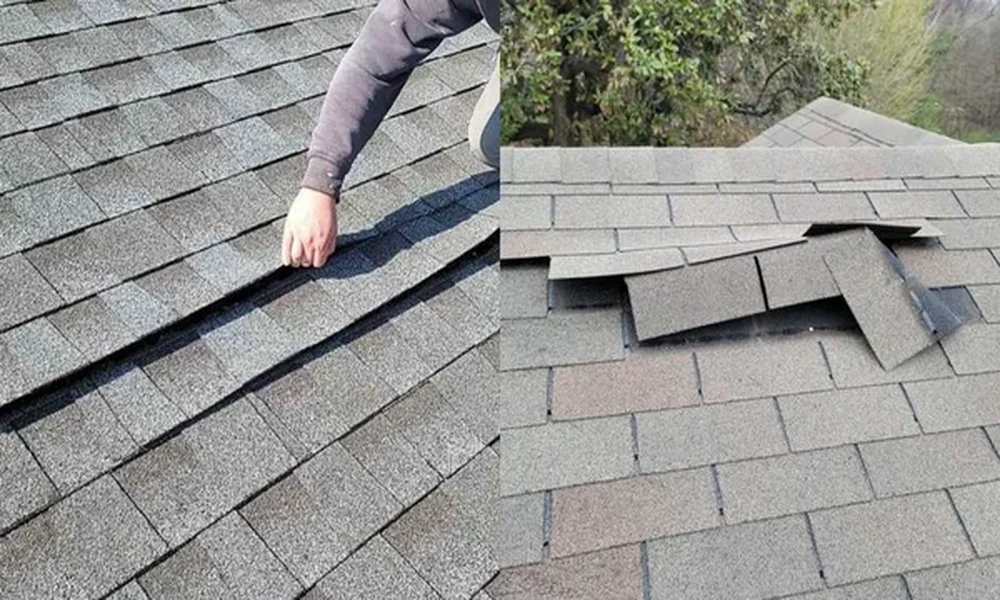
Roof damage is rarely as simple as “there is a leak, so the shingles are bad.” Water can enter several feet away from the visible stain, hail can weaken a shingle without creating an immediate leak, and a low-slope commercial roof can hold water because of drainage or insulation problems rather than a failed membrane. In Edmond, Oklahoma, these distinctions carry extra weight because severe thunderstorms, hail, and tornado-producing weather are established local hazards. The National Weather Service tornado history for Edmond documents repeated tornado events affecting the city and surrounding area, making post-storm diagnosis more than a cosmetic exercise.
When symptoms are difficult to separate, a roofing company in Everywhere can be approached as a diagnostic resource rather than simply a replacement vendor. Flying Out Roofing is based in Edmond and serves Edmond and surrounding areas, with work covering asphalt shingles, metal roofing, TPO, PVC, modified bitumen, new construction, maintenance, repairs, and metal retrofits. That range is useful when the correct response could be anything from replacing a damaged shingle section to repairing a membrane seam or evaluating whether an existing commercial roof is suitable for a retrofit system.
When a Ceiling Stain Appears After Rain
A ceiling stain identifies where water finally became visible, not necessarily where it entered the roof. Diagnosis should move from the interior evidence toward likely exterior entry points.
1. Check the stain pattern.
A small brown ring that grows only during wind-driven rain can point toward flashing, a vent penetration, or a roof-to-wall connection. A broader damp area that appears during ordinary rainfall may suggest a larger pathway, such as deteriorated shingles, underlayment failure, or a membrane defect.
2. Compare the stain with roof geometry.
Water often travels along rafters, decking, fasteners, or insulation before dripping into the room. A stain directly below a valley does not prove the valley itself has failed. The actual entry point may be upslope near a vent or flashing joint.
3. Match the repair to the source.
Localized flashing failure may justify a focused repair. Widespread deterioration across an aging shingle field is different. Repairing the visible spot repeatedly can become more expensive than correcting the underlying roofing system.
Edmond’s permitting rules also affect what happens next. The city’s Building and Safety Department states that a permit is not required merely to replace or repair existing residential roof coverings, and the city does not inspect residential reroofing. That makes contractor workmanship, manufacturer requirements, and code-compliant installation especially important even when no residential reroof permit is issued. The city’s residential roofing permit guidance explains that distinction directly.
When Shingles Look Bruised After a Storm
Hail damage can be difficult to judge from the ground because cosmetic marks, normal aging, mechanical scuffs, and meaningful impact damage may look similar.
1. Look beyond missing shingles.
Wind damage is often obvious when tabs are lifted or sections are gone. Hail can be subtler. Granule loss, fractured matting, exposed asphalt, dents in nearby metal components, and repeated impact marks across several slopes can provide a more complete picture.
2. Separate age from impact.
Older asphalt shingles naturally lose granules and become less flexible. Random granule loss does not automatically establish storm damage. Fresh hail impacts often have a different pattern and should be evaluated together with collateral signs on vents, gutters, flashing, or soft metal surfaces.
3. Decide whether the damage is isolated or systemic.
A few damaged shingles may be repairable if compatible materials are available and surrounding shingles remain serviceable. Broad impact damage across several roof planes creates a different question because numerous small weak points can reduce the useful life of the roof even before active leakage develops.
Oklahoma’s weather makes that distinction practical rather than theoretical. A roof may experience several significant storms during its service life, so condition immediately after one storm should be interpreted alongside age, previous repairs, installation quality, and the remaining flexibility of the roofing material.
When Water Sits on a Flat Roof
Low-slope roofs require a different diagnostic approach. Water that remains after rainfall can signal several possible problems, and replacing membrane material alone may not correct them.
1. Identify whether drainage is blocked or structurally limited.
Debris around drains and scuppers can create temporary ponding. Persistent depressions may indicate compressed insulation, deck deflection, or inadequate slope. Those causes call for different solutions.
2. Inspect seams and penetrations within the ponding area.
TPO and PVC roofs rely heavily on properly welded seams and detailed penetrations. Modified bitumen depends on sound laps and a continuous waterproofing assembly. Standing water increases the importance of those details because even a small defect remains exposed to moisture longer.
3. Check beneath the surface before choosing an overlay.
A membrane can appear repairable while insulation beneath it is wet. Moisture testing, core sampling when appropriate, or targeted investigation may reveal that the visible defect is only part of the problem.
This is particularly important when evaluating a commercial retrofit. Installing a new system over an existing assembly can reduce tear-off and business disruption, but retaining wet or deteriorated material can compromise the project. A metal retrofit therefore makes the most sense when the existing structure and roof condition have first been evaluated rather than when overlay is chosen simply because it avoids demolition. Flying Out Roofing describes its retrofit approach as installing new metal over suitable existing roofing to reduce removal and downtime.
When Metal Panels Move or Fasteners Back Out
Metal roofs often show distress differently from shingles or membranes. Movement, noise, loose fasteners, and sealant failure can point toward normal thermal behavior, installation issues, or localized damage.
1. Determine whether movement is expected or excessive.
Metal expands and contracts as temperatures change. Proper systems accommodate that movement through panel design, clips, fastening patterns, and joint details. Problems arise when components restrain movement incorrectly or connections begin to loosen.
2. Inspect fasteners, seams, and perimeter details together.
A backed-out fastener may be an isolated maintenance item, but multiple loose connections can indicate repeated movement or installation problems. Edges and corners deserve particular attention because wind pressures can be higher there.
3. Compare maintenance with replacement value.
An otherwise sound metal roof may benefit from targeted fastener replacement, sealant work, flashing repair, or panel correction. Extensive corrosion, widespread attachment failure, or repeated leakage changes the economics and may justify larger rehabilitation or replacement.
Code requirements remain part of that evaluation. Edmond currently lists the 2018 International Building Code and 2018 International Residential Code among its adopted building standards. Its official building code page notes that these provisions apply to permits issued under the city’s adopted code framework. New construction and structural alterations can therefore involve permit and design requirements that go well beyond the city’s simpler treatment of residential reroofing.
A diagnosis map is useful because the same symptom can lead to very different conclusions. A ceiling stain can originate at flashing rather than directly overhead. Hail marks can be cosmetic or evidence of real shingle damage. Ponding can result from blocked drainage or a deeper structural issue. Loose metal fasteners can reflect maintenance needs or broader attachment problems.
The correct repair begins by identifying which condition actually exists. That means tracing the symptom to its source, determining how much of the roof is affected, and considering the age and construction of the entire system before deciding between maintenance, localized repair, retrofit, or replacement. In central Oklahoma, where roofs face recurring wind, hail, heat, and severe storms, that diagnostic discipline is often more valuable than simply reacting to the first visible sign of damage.
