
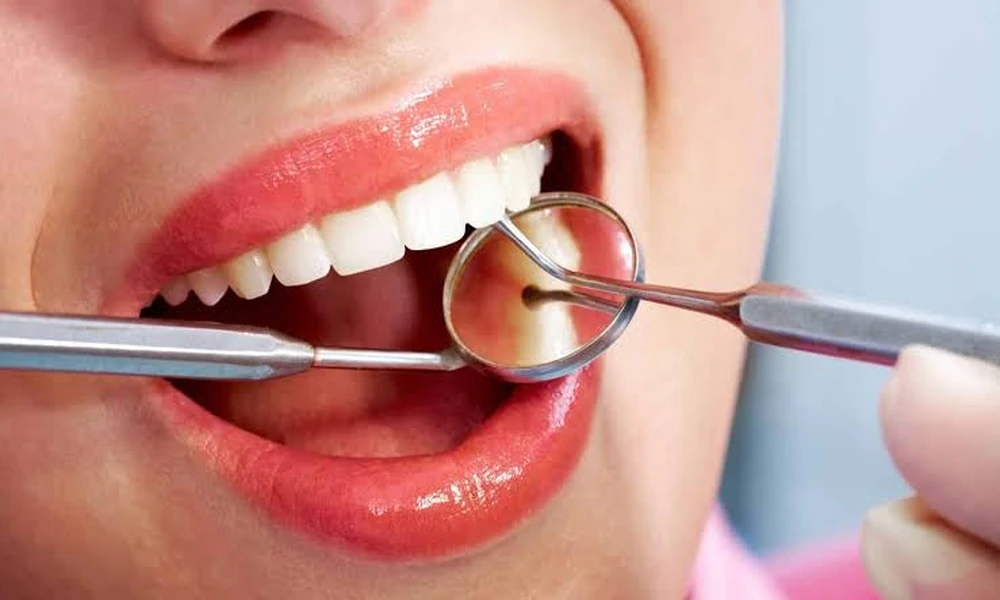
You feel every small thing in your mouth. A crown that sits a little high, a denture that rubs one spot raw, a bridge that looks fine but never quite feels right. That kind of discomfort wears on you fast. With Roanoke cosmetic dentistry services, eating becomes work, speaking feels awkward, and you start thinking about your teeth far more than you want to.
That is why precise measurements matter so much with custom dental prosthetics. A restorative and prosthetic dentist is not only replacing a tooth or restoring function. The job is to create something that fits your bite, your gum shape, your jaw movement, and the way you live day to day. When measurements are accurate, comfort improves, pressure is balanced, and the restoration has a better chance of lasting.
Precise dental measurements shape comfort from the first day
Your mouth is not flat, still, or uniform. Teeth meet at angles, gums change over time, and your bite shifts under pressure. A prosthetic that is even slightly off can create a chain reaction. One area takes too much force, another does not contact at all, and your jaw starts compensating. You may notice headaches, cheek biting, sore gums, or the feeling that something is always in the way.
This is where custom dental prosthetics stand apart from a one size fits all mindset. Whether you need a crown, bridge, partial denture, full denture, or implant supported restoration, the fit depends on exact records. That includes impressions, bite registration, spacing, tooth shade, gum contours, and the way your upper and lower teeth come together when you chew and speak.
A few millimeters may not sound like much until that error is in your mouth all day. If a denture is loose, it can slip while you eat or talk. If a crown is too tight between teeth, flossing becomes difficult and the area may stay irritated. If a bridge is shaped poorly underneath, cleaning gets harder and inflammation can follow. Comfort is not a cosmetic extra. It is part of whether the restoration actually works.
Modern tools help improve accuracy. Digital scanning and CAD CAM systems can support detailed planning and fabrication for dental restorations. The FDA explains how optical impression systems and CAD/CAM dental restorations are used to capture and produce these restorations with precision. Technology helps, but the skill behind it still matters. A scanner only records what is captured well, and a restoration still has to be designed around your actual bite and tissue health.
Ill fitting prosthetic teeth affect eating, speech, and confidence
Most people do not walk into treatment worried about microns or bite registration. They worry about normal life. Will I be able to chew without pain? Will I sound different? Will this look natural when I smile? Those concerns are real, and poor measurements often show up in exactly those places.
Take dentures as one example. If the borders are overextended, they can dig into soft tissue. If they are too short, retention suffers. If the bite is off, the denture may rock with each chew. That can lead to sore spots, frustration, and the thought that maybe dentures are just supposed to feel bad. They are not supposed to feel perfect on day one in every case, but persistent pain and instability usually point to a fit issue that needs attention. MedlinePlus offers a helpful overview of dentures and common adjustment concerns.
The same applies to fixed work. A dental crown that is too high can make one tooth take the hit every time you close. A poorly measured implant crown can look good in a mirror but trap food or strain the surrounding bite. Precision dental restorations reduce those risks because they are built around how your mouth actually functions, not how it looks in a static mold alone.
Professional measurement and planning reduce avoidable problems
| Area | Precise Professional Fit | Poor or Incomplete Measurement |
|---|---|---|
| Bite alignment | Even contact, less strain on teeth and jaw | High spots, jaw soreness, uneven wear |
| Gum comfort | Smooth pressure distribution across tissues | Sore spots, rubbing, inflammation |
| Speech | Better tongue space and sound control | Lisping, clicking, shifting during speech |
| Chewing | Stable function and better food breakdown | Slipping, rocking, side preference when eating |
| Cleaning | Contours that allow flossing and home care | Food traps, plaque buildup, gum irritation |
| Longevity | Less excess force on the restoration | Early wear, loosening, repeated adjustments |
Custom tooth replacement solutions do more than fill a gap. They have to coexist with muscles, joints, saliva, speech patterns, and habits like clenching or grinding. A rushed impression or incomplete bite record can turn a strong material into a daily annoyance. The opposite is also true. Careful measurement often means fewer adjustments, smoother adaptation, and less stress for you.
Clear next steps help you avoid a bad fit
Ask how your measurements are being captured. You do not need to speak in technical terms. Just ask whether your restoration will be based on digital scans, traditional impressions, bite records, photos, or a mix of methods. The point is to know that your provider is collecting enough detail to build around your mouth, not guessing from limited information.
Speak up about small discomfort early. Many people try to tough it out because they assume soreness or awkward chewing is normal. Some adjustment is common, especially with dentures, but sharp rubbing, persistent looseness, or a bite that feels wrong should be reported quickly. Early refinements are easier than waiting until tissue irritation or uneven wear gets worse.
Choose a provider focused on function, not only appearance. A restoration should look natural, but looks alone do not tell you whether it will feel right after breakfast, during a long workday, or while talking with family. Ask how comfort, bite balance, and long term maintenance are evaluated before the final prosthetic is placed.
Comfort starts with accuracy and thoughtful restorative care
If you are already dealing with a missing tooth, a failing restoration, or a denture that never feels secure, you are not overreacting. Small fit problems become big quality of life problems when they follow you through every meal and conversation. Good restorative work respects that reality.
The right measurements support comfort, stability, and confidence. If you are considering care from a restorative and prosthetic dentist, ask for a treatment process built on precision from the start.
