
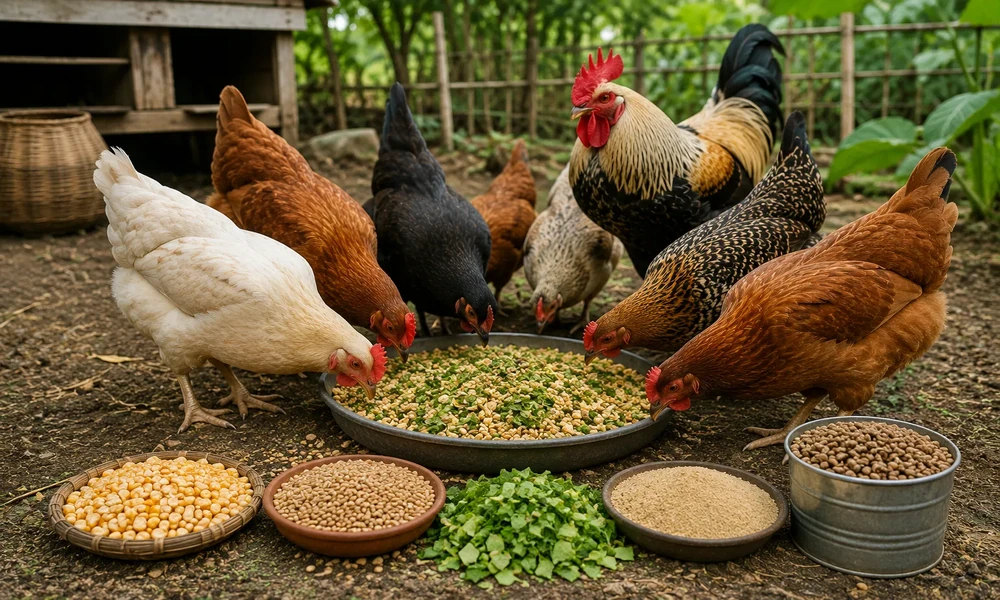
Four cracked eggs in one week is not bad luck. It’s a signal. Most backyard keepers I talk to blame the hens first, then the weather, then some vague idea about stress. Almost every time, the problem sits in the feeder, not the coop. Your hen is a small egg factory running on whatever you pour into that metal trough, and the finished product only looks as good as the raw material.
Here’s the short version of what this article delivers: you’ll learn what layer rations actually do, where cheap feed cuts corners, and how to read a feed tag before you spend a dollar. You’ll also get the feeding routine I’d run on my own flock, which is boring, consistent, and the reason my egg basket rarely sees a crack. And if you’re already shopping, a premium chicken layer feed gives you a useful benchmark for what a complete ration should look like.
One promise before we start: I’m not going to tell you a bag of feed is magic. Hens need light, water, clean bedding, and a little patience. Feed is the lever with the most travel, though, and it’s the one you control every single morning.
What Actually Builds an Eggshell
A shell is mostly calcium carbonate, which means your hen is pulling calcium out of her body every time she lays. She can’t store infinite reserves, so the diet has to deliver a steady supply or she starts borrowing from her own bones. That’s the part that should make you pause. A hen running a calcium deficit doesn’t just produce thin shells. She wears herself down doing it.
Good layer rations land in a calcium range around three to four percent, and they pair that calcium with protein in the sixteen to eighteen percent window. The protein matters more than most people realize, since it supports egg white formation and overall condition during the laying cycle. The U.S. Department of Agriculture treats poultry as one of the cornerstones of American agriculture, and the research behind modern ration formulation is genuinely deep. You don’t need a nutrition degree. You need to read the tag.
My contrarian take: stop buying the cheapest bag on the shelf and calling it thrift. Feed waste from crumbles and dust costs more than a better ration every month. I’d rather pay a little more per bag and sweep up less of it.
Where Cheap Layer Feed Quietly Fails
Look at a feed tag the way you’d look at a food label for yourself. Two bags can both say “layer feed” and be wildly different products. The cheap one usually leans on fillers and byproducts, skips the probiotics and prebiotics that help digestion, and loads up on dust that ends up on the coop floor instead of in the hen. You’re not saving money. You’re buying filler with a chicken on the bag.
Whole grain matters here too. Hens have a digestive system built for scratching and grinding, and a ration that works with that system tends to produce firmer droppings and less waste. I’ve watched flocks switch from a dusty pellet to a whole grain formula and settle down within a week. Fewer scraps on the ground, calmer birds, cleaner nest boxes.
Watch for soy and corn too. Some keepers avoid them for their own reasons about feed quality and flock health, and plenty of premium formulas now skip both. That’s your call, but know what’s in the bag either way.
A Reading List Before You Buy
Here’s the checklist I run through in the feed aisle, and you can borrow it. It takes about ninety seconds.
- Protein: sixteen to eighteen percent for laying hens.
- Calcium: roughly three to four percent, clearly printed.
- Ingredients: recognizable grains, no mystery byproducts, no hormones or antibiotics.
- Extras: probiotics, prebiotics, and mineral sources listed on the tag.
- Freshness: check the mill date, not just the sell-by.
If a bag fails two or more of those, put it back. That’s it. That’s the whole system, and it beats guesswork every time. You can also keep a small dish of crushed oyster shell available free choice so hens that need extra calcium can self-serve, which is one of those small habits that pays off during heavy laying stretches.
Build the Routine, Skip the Guesswork
Feeding is where most keepers get inconsistent without realizing it. My rule is simple: same time, same amount, same place. Fill the feeder in the morning so hens have energy for the day, keep fresh water within a few steps, and don’t leave feed sitting out overnight where rodents can find it. Hens are creatures of habit, and so is your feeder.
Ration amounts depend on flock size and season, so measure rather than eyeball. The Agricultural Research Service has spent decades studying poultry nutrition and management, and the recurring lesson is that consistency beats cleverness. A hen on a steady ration lays more evenly than one getting a different mix every week.
Watch your birds for feedback. Firm shells, glossy feathers, bright combs, and steady laying all point to a ration that’s working. Thin shells, dull feathers, or a hen that seems tired more often than not are your cue to switch something up.
The Seasonal Shift Nobody Warns You About
Your flock’s needs change with the calendar. In winter, shorter days and colder air mean hens eat more feed just to stay warm, and laying often slows. That’s normal. Don’t panic and start dumping supplements into the feeder. Keep the ration steady and let the birds adjust.
Summer brings the opposite problem. Hens drink more and eat less, which can thin the shells during hot stretches. Make sure water stays cool and available, and consider offering a little extra calcium during the peak of the heat. Mississippi State University runs one of the country’s better-known poultry science programs, and its extension materials are a solid resource if you want to go deeper on seasonal flock management.
Molting season gets its own note. Hens drop feathers, laying pauses, and the feeder does double duty rebuilding condition. Keep the ration consistent through molt and don’t rush the process. Patience is a feeding strategy.
Common Mistakes That Cost You Eggs
Mixing scratch grain in as a main meal is the biggest one I see. Scratch is a treat, not a ration. Hens fill up on it, skip the balanced feed, and lay thin shells within a couple of weeks. Use it as a reward for coming when you call, and keep it to a handful.
Second mistake: storing feed in a hot shed. Heat and moisture degrade vitamins fast. Keep bags sealed in a cool, dry spot and use them within a reasonable window. Third mistake: feeding one mix to the whole flock without thinking about age. Chicks, growers, and layers have different needs, which is why separate starter and layer formulas exist. Nobody wants a hen eating chick feed and wondering why production dropped.
Your Next Step This Weekend
Pull out your current feed tag and run the checklist above. If it fails, make the switch to a complete layer ration, keep the oyster shell dish filled, and give the flock a couple of weeks to respond. Eggshell quality usually tells you within that window whether you’ve solved the problem.
Then get nosy about your own birds. Crack a few shells by hand and feel them. Watch who’s eating first and who’s hanging back. Your flock is constantly giving you data, and the keeper who pays attention always beats the one who just buys what’s on sale. What’s your feeder telling you right now?
