
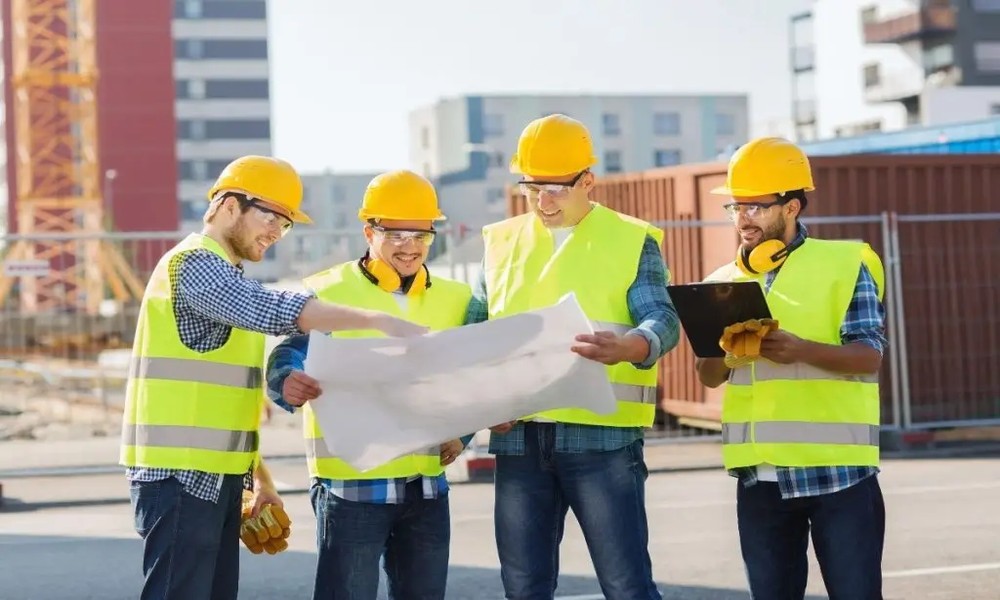
In the world of industrial architecture, the stakes are high. Every decision echoes across vast warehouses, production facilities, and distribution hubs, shaping not just how these spaces function but also how they feel. As automation, sustainability, and branding push the boundaries of what’s expected from industrial buildings, architects must walk a razor-thin line: deliver optimal efficiency without sacrificing visual impact. Why does this balance matter so much, and what happens when one side tips the scale?
The Dual Mandate of Industrial Architecture: Efficiency vs. Aesthetics
Efficiency and aesthetics may seem like competing priorities, yet in industrial architecture, they are inextricably linked. Facilities are expected to maximize productivity, minimize waste, and adapt quickly to growing demands. At the same time, these buildings are often the public face of a company’s brand and have a profound effect on the people who work inside them.
Defining Efficiency in Industrial Design
Efficiency boils down to how seamlessly workflows operate within a space. It involves minimizing bottlenecks, reducing energy consumption, and ensuring that every square meter serves a clear purpose. Thoughtful layouts, smart storage solutions, and robust building systems are the foundation of high-performance industrial environments.
Understanding Aesthetic Appeal in Industrial Settings
Aesthetic appeal goes further than simple good looks. It encompasses the use of natural light, material finishes, color palettes, and spatial arrangements that foster a sense of pride, belonging, and even inspiration among employees. At the client level, distinctive architecture signals a company’s values and aspirations to the outside world.
Prioritizing Efficiency: Functional Approaches and Their Benefits
When industrial architects focus on efficiency, they invest in features that power productivity. Streamlined workflows are enabled by clear pathing for people, goods, and machinery, while flexible layouts anticipate future expansions or reconfigurations. Space optimization leads to reduced operational costs and a smaller environmental footprint.
Sustainability adds another layer. Choosing locally sourced or recycled materials, optimizing natural daylight, and integrating energy-efficient systems all contribute to long-term cost savings and a reduced carbon footprint.
Recent efficiency-driven projects showcase these advantages. Facilities that prioritize automation and logistics, such as distribution centers with automated picking systems, demonstrate how smart design choices translate into measurable gains.
Elevating Aesthetic Appeal: Design Strategies that Inspire
But efficiency alone is never enough. Industrial facilities that integrate branding through architecture set themselves apart, turning warehouses into beacons of corporate culture. Strategic use of color, signage, and facade treatments reinforce a company’s identity and make a lasting impression.
More importantly, aesthetics can boost worker wellbeing. Thoughtful daylighting, ergonomic workstations, and access to green spaces reduce fatigue and support mental health, which in turn improves productivity and retention. Architecturally distinct industrial buildings, those that make creative use of materials or innovate with form, prove that factories and beauty are not mutually exclusive.
The Risks of Overemphasizing One Aspect
Focusing solely on efficiency can produce sterile, inhospitable workplaces that stifle creativity and morale. Workers may feel like cogs in a machine, and visitors might question the company’s commitment to people and community.
When aesthetics dominate, operational functionality may suffer. Overly ambitious designs can complicate maintenance, reduce adaptability, or inflate construction costs well beyond budget constraints. The sweet spot lies in carefully calibrated trade-offs.
Comparative Analysis: Balancing Both for Optimal Outcomes
Some of the most successful industrial buildings employ hybrid design models. Architects use digital tools to simulate workflows while experimenting with façade articulation and interior finishes. Technologies like BIM (Building Information Modeling) help ensure that no detail is overlooked, from insulation thickness to the color of entry lobbies.
Consider recent projects where striking architectural elements coexist with optimized logistics. Clean lines and bold graphics on the exterior, paired with high-performance interiors, become both efficient and iconic. The Stendel + Reich industrial architect team exemplifies this approach, consistently delivering projects that blend operational demands with innovative design.
The Role of Stakeholders in Shaping Balanced Industrial Architecture
Achieving the right balance is rarely a solo effort. Clients articulate goals and set budgets, while architects, engineers, and end users collaborate to translate those aspirations into reality. Open communication ensures that neither productivity nor visual quality is compromised, and that every dollar spent adds measurable value.
Future Trends Influencing the Efficiency-Aesthetic Equation
As sustainable technologies advance, industrial buildings will face new expectations. Adaptive materials allow for more flexible spaces that can shift with organizational needs, while energy-efficient solutions are rapidly becoming non-negotiable. The rise of modular construction and smart building controls points toward industrial spaces that are both responsive and visually engaging.
Conclusion: Crafting Industrial Spaces that Work and Inspire
Industrial architecture is at its best when it honors both the logic of efficiency and the spirit of creativity. For architects and industry leaders, the challenge is ongoing: to design spaces that empower productivity, respect the environment, and leave a lasting impression. Those who master this balancing act set new standards for what industrial buildings can, and should, be.
