
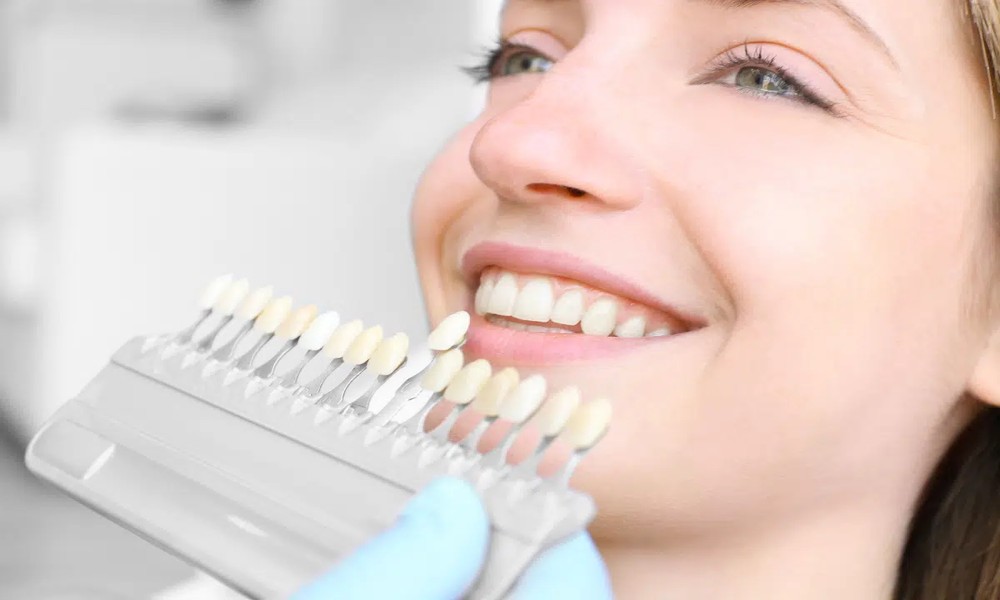
You hear many strong opinions about teeth. Some sound convincing. Many are wrong. These myths cause fear, delay care, and lead to painful problems that did not need to happen. You might think sugar is the only cause of cavities. You might believe baby teeth do not matter. You might trust that brushing hard makes teeth cleaner. Each of these myths quietly harms your mouth and your health. Today you will see what is true and what is false. You will learn how simple habits protect you. You will understand why routine care, including routine teeth cleaning services in Littleton, keeps small issues from turning into emergencies. You do not need special tools or secret tricks. You need clear facts, steady habits, and regular support from a trusted dental team. Let go of the myths. Give your teeth the honest care they deserve.
Myth 1: “If my teeth do not hurt, they are healthy.”
Pain is a late sign. Cavities, gum disease, and infections can grow for months with no pain at all. By the time you feel a sharp ache, damage is often deep.
Silent problems can include:
- Small cavities between teeth
- Early gum disease
- Cracks in teeth
Regular checkups and cleanings catch these problems early. The Centers for Disease Control and Prevention reports that tooth decay is common in children and adults. Many people do not know they have it.
Do not wait for pain. Use pain as a warning sign, not a green light.
Myth 2: “Baby teeth do not matter.”
Baby teeth guide your child’s jaw and speech. They hold space for adult teeth. When you protect baby teeth, you protect future adult teeth.
Untreated decay in baby teeth can:
- Spread infection
- Cause trouble eating and sleeping
- Raise the risk of decay in adult teeth
The National Institute of Dental and Craniofacial Research explains that decay in baby teeth can affect growth and learning. Missed school days and poor sleep follow tooth pain.
Start care early. Clean your child’s teeth every day. Schedule a dental visit by age one or at the first tooth.
Myth 3: “Brushing harder cleans better.”
Hard brushing scrapes your gums and wears down enamel. You may see gums pull back from the teeth. You may see yellow roots show near the gumline. That is damage, not dirt.
Use this simple method:
- Use a soft bristle toothbrush
- Angle the brush toward the gumline
- Use gentle circles for two minutes
Pressure does not equal clean. Time, technique, and fluoride toothpaste matter more.
Myth 4: “Sugar is the only cause of cavities.”
Sugar is a big factor. Yet it is not the only one. Cavities form when bacteria feed on any starch or sugar. They then make acid that eats enamel.
Other causes include:
- Snacking often during the day
- Sipping sweet drinks over hours
- Dry mouth from some medicines
The problem is how often your teeth face acid attacks. A single dessert with a meal is less harmful than constant sipping on soda.
Myth 5: “Flossing is optional.”
Your toothbrush misses tight spaces between teeth. Plaque in those spaces hardens into tartar. Then gums swell and bleed. Cavities also form between teeth where you cannot see them.
Flossing once a day interrupts this cycle. You remove food and plaque where a brush cannot reach. That protects both teeth and gums.
If string floss is hard for you, ask about:
- Floss picks
- Small interdental brushes
- Water flossers
The method matters less than the habit. Clean between your teeth every day.
Myth 6: “Professional cleanings are just fancy brushing.”
Routine cleanings do far more than polish your teeth. A dental team checks for cancer, gum disease, and early decay. They remove tartar that brushing and flossing cannot remove.
They also give you tailored advice. They can see where you miss spots. They can guide you on tools that fit your mouth and your family.
Home Care vs Professional Cleaning
|
Type of care |
What you do |
What it cannot do |
What the dental team adds |
|---|---|---|---|
|
Brushing at home |
Removes soft plaque from most tooth surfaces |
Does not remove hardened tartar |
Checks brushing technique and suggests changes |
|
Flossing or cleaning between teeth |
Cleans tight spaces and under the gumline |
May miss deep pockets or hidden decay |
Measures gum health and pocket depth |
|
Professional cleaning |
Removes tartar and stains |
Cannot replace your daily care |
Finds early disease, screens for oral cancer, plans next steps |
You need both home care and professional care. Each supports the other.
Myth 7: “Dental visits always hurt.”
Modern dentistry focuses on comfort. Numbing options, gentle tools, and clear communication reduce fear. You have a say in the pace and the plan.
When you go often, visits stay simple. Cleanings and small fillings usually cause little or no pain. Skipping care allows problems to grow. Then treatment takes longer and may feel harder.
If you feel fear, tell the team. Ask for short visits. Ask for breaks. Ask them to explain each step. Simple control can calm the body.
Myth 8: “Good teeth are just about looks.”
Your mouth connects to your whole body. Gum disease links to heart disease and diabetes. Painful teeth affect what you eat. That can change your weight and blood sugar control.
The National Institute of Dental and Craniofacial Research shares that untreated decay can cause infection and other health problems. Your mouth is not separate from your body. It is part of your health story.
Healthy teeth help you speak clearly, chew food, and feel at ease in public. That affects school, work, and daily life.
Three steps you can take today
You can start fresh now. Use these three steps.
- Brush two times a day with fluoride toothpaste for two minutes
- Clean between your teeth every day
- Schedule a dental checkup and cleaning at least two times a year
Share these truths with your family. Help your children question myths early. When you replace fear with facts, you protect your health and your peace of mind.
