
Category

photography

Category

A corporate headshot communicates information through facial expression, posture, lighting, framing, clothing and background. Together, these visual details can influence whether a portrait appears approachable, authoritative, or balanced between the two.

That said, when planning a corporate headshot in Singapore, it is useful to consider how these elements work together rather than treating them separately. The intended use of the photograph, such as a company website, professional profile or speaker biography, can also guide visual decisions.

What Makes a Corporate Headshot Look Approachable or Authoritative?

Approachability and authority are not determined by one feature. They result from a combination of visual cues within the photograph.

Common distinctions include:

  • Approachable appearance: A natural smile, relaxed posture and softer lighting can contribute to a less formal presentation.
  • Authoritative appearance: Upright posture, a controlled expression and more defined lighting can create a formal visual impression.
  • Balanced appearance: Direct eye contact, neutral posture and a restrained smile can combine elements associated with both qualities.

These characteristics establish the overall direction of the portrait. Facial expression is one of the most noticeable details within that combination.

How Does Facial Expression Affect a Corporate Headshot?

Facial expression provides immediate visual information about the subject. A smile changes the position of the mouth, cheeks and often the area around the eyes, creating a different appearance from a neutral expression.

A neutral expression can produce a more restrained and formal portrait. However, neutral does not necessarily mean severe; small differences in the eyes, eyebrows and mouth can significantly alter the result.

Direct eye contact with the camera is also commonly used in professional portraits because it places the viewer in direct visual engagement with the subject. Expression therefore establishes much of the headshot’s tone before posture is considered.

How Do Posture and Body Position Change the Impression of a Headshot?

Posture affects the shape and structure visible within the frame. An upright position can create clean lines through the shoulders and neck, while a more relaxed position can reduce visual formality.

Body angle also matters. For example:

  • Squared shoulders can create a more symmetrical and formal composition.
  • Slightly angled shoulders can introduce depth to the portrait.
  • Leaning excessively forwards or backwards can alter proportions and affect framing.
  • Consistent posture helps companies create visually cohesive employee portraits.

Posture supports the message created by facial expression. Camera position and framing then determine how these features are presented to the viewer.

How Do Camera Angles and Framing Affect Professional Presence?

Camera height influences how facial proportions and posture appear in a photograph. For conventional professional headshots, positioning the camera around eye level can provide a relatively neutral perspective.

Framing determines how much of the subject is visible. A tight crop emphasises the face, while a wider crop can include the shoulders, upper body and more surrounding space.

A photo studio in Singapore may also capture several framing options where photographs are intended for different digital formats. Thoughtful framing allows expression and posture to remain clear without unnecessary visual distractions.

How Does Lighting Influence an Approachable or Authoritative Look?

Lighting controls brightness, shadow and facial definition. Soft, diffused light generally produces gradual transitions between highlights and shadows, while more directional lighting can create stronger facial definition.

Important lighting considerations include:

  • Light direction and its effect on facial shadows.
  • Brightness differences between the subject and background.
  • Reflections on glasses or reflective accessories.
  • Consistency when photographing multiple employees.

Lighting should support rather than obscure facial features. Once exposure and facial definition are controlled, clothing provides another way to manage the portrait’s level of formality.

How Do Clothing and Colour Affect a Corporate Headshot?

Clothing can communicate the level of formality expected within a professional context. A structured jacket and collared shirt, for example, create different visual lines from casual business clothing.

Colour also affects contrast within the frame. Clothing that clearly separates from the background can help maintain visual definition, while very detailed patterns may compete with facial features for attention.

Remember, for a corporate headshot, clothing choices can therefore be considered alongside the organisation’s dress conventions and the photograph’s intended use. Background selection completes this overall composition.

How Does the Background Influence the Tone of a Corporate Headshot?

The background determines how much environmental information appears behind the subject. Plain backgrounds minimise contextual details, whereas workplace or environmental backgrounds can provide information about the professional setting.

A photo studio can use neutral or controlled backgrounds to maintain consistency across a series of portraits. Sufficient contrast between the subject, clothing and background also helps keep facial features visually distinct.

Ultimately, expression, posture, framing, lighting, clothing and background work as a combined system. Adjusting one element can change how the others appear within the finished headshot.

Visit Our Momento and let us help you create a headshot that matches your professional presence.
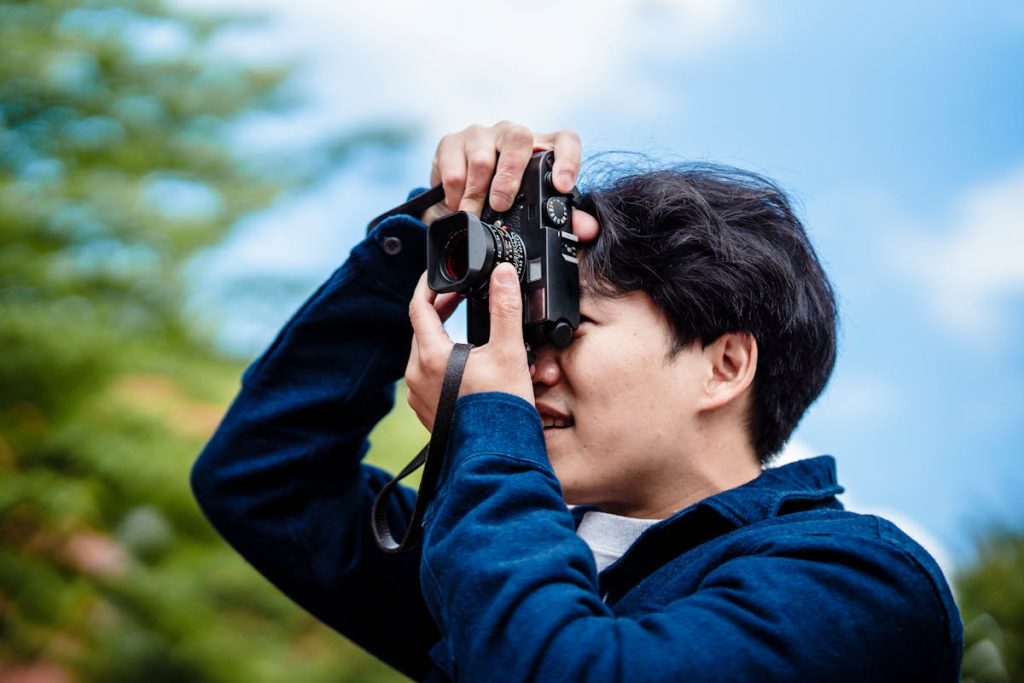
In an age of highly curated feeds and polished visuals, there’s something deeply refreshing about photography that feels real. Lifestyle photography—when done well—bridges the gap between staged perfection and honest human experience. It captures people in their element, doing everyday things in a way that’s both beautiful and believable.

Whether you’re working with families, individuals, brands, or content creators, the goal of lifestyle photography is to create images that resonate emotionally. The best shots feel unscripted, even when there’s careful thought behind them. In this article, we’ll explore how to make your lifestyle photography look and feel candid, authentic, and emotionally compelling.

Understand the Story Behind the Scene

Authentic lifestyle photography begins with intention. Before the camera comes out, take time to understand the story you’re trying to tell.

Ask yourself:

  • What moment are we capturing?
  • What’s the mood or feeling we want to evoke?
  • Who are the people in this image, and what’s meaningful to them?

This might be a family baking cookies in their kitchen, a couple walking their dog at sunset, or a small business owner prepping handmade products. The key is to root the scene in reality, even if it’s lightly guided. When the context feels true, the resulting images naturally feel more genuine.

Choose Locations That Matter

Environment is a powerful storytelling element. Shooting in a place that has meaning to your subject—like their home, favorite park, studio, or neighborhood café—immediately puts them at ease and sets the tone for natural interactions.

For commercial or brand lifestyle photography, location still matters. Choose spaces that reflect the brand’s personality. An eco-conscious skincare brand, for example, might feel more at home in a sunny, plant-filled apartment than in a sleek downtown loft.

Natural light is ideal, so look for spots with large windows or plan for golden hour if you’re shooting outdoors. Real-life backdrops with character—think imperfect walls, cluttered bookshelves, or textured fabrics—can enhance authenticity far more than a sterile, blank studio.

Guide Instead of Direct

The secret to candid-looking lifestyle photography is guiding without scripting. Give your subjects light direction—then let them run with it.

Instead of saying, “Look at the camera and smile,” try:

  • “Talk to each other about something funny.”
  • “Show me how you usually cook together.”
  • “Walk toward me like you normally would.”

This method not only eases camera anxiety but also invites real emotion to surface—laughter, connection, reflection. The goal is to capture moments within the moment, not force an idealized version of it.

Focus on Interaction and Connection

Lifestyle photography is about people in motion, not just posing. Prioritize interaction over stillness.

Capture:

  • Parents playing with their kids
  • Friends catching up over coffee
  • A solo subject lost in a moment—reading, creating, or simply thinking

Even subtle gestures—like someone brushing hair out of their face or looking off into the distance—can convey depth and relatability. Candid details like these help your audience feel like a quiet observer, rather than a viewer of a staged scene.

Composition That Feels Natural

Avoid overly stylized or symmetrical framing unless it serves the story. Lifestyle images benefit from looseness in composition—slightly off-center subjects, cropped limbs, or layers of foreground blur can add an organic feel.

Some quick compositional tips:

  • Shoot through objects (like plants or doorways) to add depth and intimacy
  • Use negative space to emphasize solitude or quiet moments
  • Move with your subject—walk alongside them or pivot to follow movement
  • Don’t over-pose—let arms fall naturally, eyes wander, and hands stay busy

The imperfections are often what make lifestyle images feel alive.

Edit with a Light Hand

Post-processing should enhance the natural beauty of a lifestyle image, not overpower it. Retain the integrity of skin tones, avoid over-smoothing, and keep color grading consistent with the mood of the session.

Warmth and soft contrast often work well for emotionally driven photos. For brighter, everyday scenes, clean and crisp edits might be more appropriate. Whatever your style, the goal is always to support authenticity—not disguise it.

Real Lifestyle for Real Brands

For brands and small businesses, lifestyle photography offers a powerful way to build trust. Instead of relying solely on flat lays or product-centric shots, more brands are leaning into content that shows real people using their products in everyday life.

This might look like a fitness brand photographing a morning workout at the park, or a bakery capturing a quiet moment with coffee and a croissant. It humanizes the brand, builds relatability, and makes the content feel less like marketing and more like storytelling.

Even in event photography, brands are seeking to highlight authentic guest experiences. A modern photo booth rental Sacramento, for example, can be styled to look like a cozy living room or whimsical set—allowing guests to feel relaxed and expressive. These images feel less staged and more like genuine memories, fitting right into a lifestyle-oriented brand narrative.

Build Trust Through Consistency

Lastly, consistency matters—especially for content creators, personal brands, or businesses using lifestyle images across their platforms. Use a consistent color palette, lighting approach, and editing style so your audience always recognizes your visual language.

Consistency builds familiarity, which in turn builds trust. And when your audience feels like they know you through your visuals, engagement follows.

Conclusion

Lifestyle photography is a celebration of the everyday. It captures the moments that matter—not because they’re grand, but because they’re real. By choosing meaningful locations, guiding with intention, and embracing imperfection, you can create imagery that connects on a human level. Whether you’re photographing families, individuals, or brands, the power of lifestyle photography lies in its ability to feel honest, relatable, and deeply personal. And in a world overflowing with content, real is what stands out.