
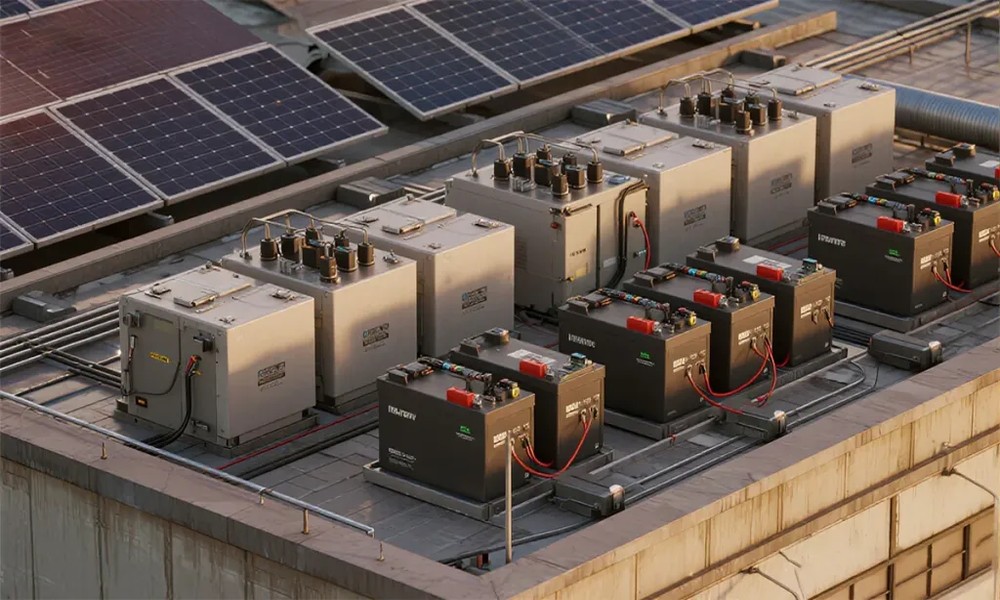
Reliable backup power has become essential for maintaining daily operations during outages. Battery systems offer a dependable and quieter option for energy storage, but understanding their cost structure is necessary before making a decision. A clear view of expenses helps in selecting a system that meets energy needs without unnecessary spending.
When evaluating battery backup power solutions, the total cost goes beyond the upfront price. Expenses sometimes include installation, system configuration, and future servicing. Each of these elements affects how efficiently the system performs and how well it supports power requirements during interruptions.
Key Factors That Influence Total Cost
Several practical factors influence the total investment needed for a battery backup system. These elements affect not only the upfront cost but also ongoing expenses such as maintenance, efficiency, and potential replacements over time.
System Capacity And Energy Requirements
The size of the battery determines how much energy can be stored and used during outages. Larger systems support more devices and longer backup periods, which increases the total cost. Selecting the right capacity depends on actual energy usage and the number of essential appliances that need support.
Installation And Setup Requirements
Installation costs depend on the condition of the existing electrical system. Properties with updated wiring may require less work, while older setups sometimes need adjustments before installation. Labor charges, system integration, and safety compliance all contribute to this expense.
Battery Performance And Lifespan
Battery lifespan affects long-term value. Systems designed for extended use may cost more initially but reduce the need for frequent replacements. Performance efficiency also plays a role, as better energy retention can improve overall system effectiveness.
Maintenance And Replacement Planning
Routine checks help ensure that the system continues to operate properly. While maintenance needs are generally low, eventual replacement of components should be expected. Factoring these costs early prevents unexpected expenses later.
Additional Expenses To Consider
Beyond the primary system costs, several smaller expenses can influence the total budget.
- Permits And Compliance Fees: Local requirements may add to initial costs.
- Monitoring And Control Systems: Tools that track energy use can increase setup expenses.
- Extended Backup Needs: Additional storage units may be required for longer outages.
- Electrical System Upgrades: Older panels or wiring may need improvements before installation.
Long-Term Cost Efficiency
A well-planned system can help manage energy usage more effectively over time. Efficient storage and controlled power distribution reduce unnecessary energy waste. This contributes to more predictable operating costs and improved reliability during outages.
At this stage of evaluation, it becomes clear that battery backup power solutions involve balancing cost with performance. A properly sized and installed system delivers consistent results while supporting essential energy needs without interruption.
Planning For Future Energy Needs
Energy usage sometimes changes due to added appliances or evolving requirements. Systems that allow expansion can help avoid future installation costs. Planning for flexibility ensures that the investment continues to meet demands over time.
How To Choose Qualified Professionals For Battery Backup Installation
Qualified professionals ensure proper system sizing, safe installation, and compliance with electrical standards. Their expertise helps prevent performance issues, supports efficient energy use, and extends the system’s lifespan through accurate setup and reliable integration.
Understanding cost considerations helps in making a practical and informed choice. Expenses related to capacity, installation, maintenance, and additional requirements all play a role in the total investment. Careful planning ensures that the selected system provides reliable backup power while remaining cost-effective over the long term.
