
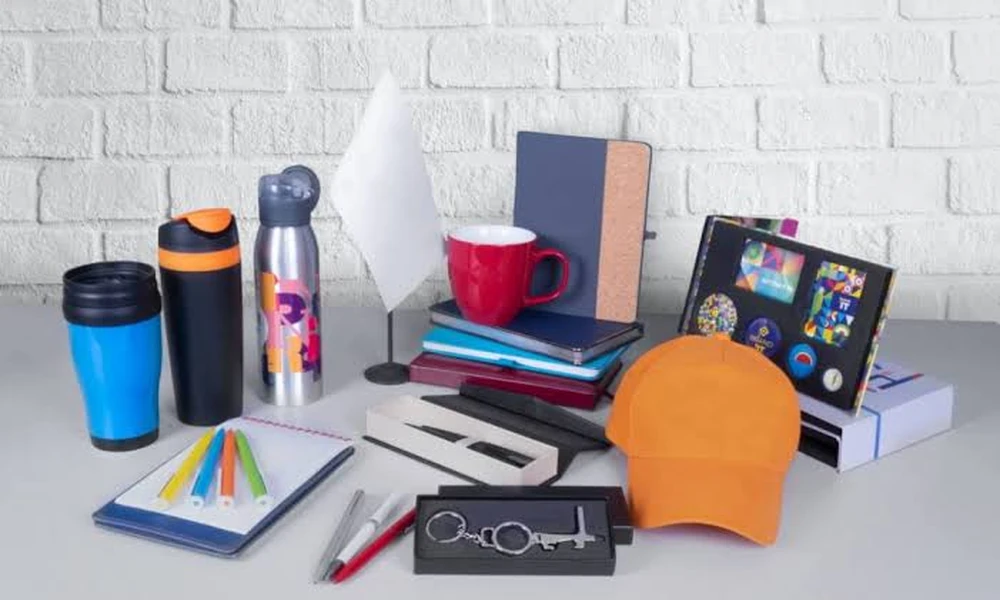
How many branded pens live at the bottom of a drawer, forgotten, versus the tote bag you use every weekend? The difference lies in how well a promotional product resonates with its recipient. Selecting the right item is far more than stamping your logo on any available gadget. It is an art that, when done thoughtfully, can spark loyalty, gratitude, and enduring visibility for your brand.
Why Are Promotional Products Effective for Brand Impressions?
The psychology behind promotional gifts is deceptively simple. When someone receives a quality item with your branding, no strings attached, they remember the gesture. Studies show that receiving a physical gift, even a small one, triggers a feeling of goodwill and a subtle urge to reciprocate. In a world where the average person is exposed to more than 4,000 ads each day, a tangible object with your logo cuts through the noise, keeping your brand top of mind long after a digital ad disappears.
How Do Promotional Gifts Influence Customer Loyalty?
Customers who receive relevant, useful items often become enthusiastic advocates. A practical water bottle or a durable tote can lead to repeat business and referrals. The act of gifting creates a sense of being valued, which is hard to achieve through email campaigns or social media alone.
What Psychological Effects Make Promotional Products Memorable?
Physical touch enhances memory. When customers use a branded notebook or wear a soft hoodie, your brand becomes part of their daily ritual. The right product can trigger positive associations and spark conversations with others, extending your reach far beyond the original recipient.
How Do Promotional Items Enhance Brand Visibility Over Time?
Visibility multiplies every time an item is used in public: a branded mug at the office, a cap worn on a sunny day, or a tote bag at the grocery store. These quiet moments of exposure add up, embedding your brand in the community’s subconscious.
What Types of Promotional Products Create the Strongest Impact?
Choosing what to give is a balance between practicality and creativity. Items that blend seamlessly into the recipient’s life remain visible, and effective, for the longest time.
Which Everyday Items Are Most Likely to Be Kept and Used?
Pens, reusable bottles, notebooks, and tech accessories top the list. They offer daily utility, ensuring ongoing brand exposure. Apparel items like t-shirts and hats, if comfortable and stylish, can become favorites.
How to Match Product Categories with Your Target Audience
Understanding your audience’s habits makes all the difference. For fitness-focused clients, water bottles or gym towels make sense. For office professionals, desk organizers or quality pens hit home. One size does not fit all.
When to Choose Practical vs. Novelty Promotional Items
Novelty items can be conversation starters but risk being discarded quickly unless they’re truly unique. Practical items tend to have a longer shelf life and more repeated use, particularly when their design is appealing.
How to Align Promotional Products with Your Brand Identity
Every item you give is an extension of your brand. Choosing wisely sends a message about your values and attention to detail.
What Role Does Customization Play in Brand Recognition?
Customization matters. A product that reflects your brand colors, logo, and even tagline reinforces your image every time it is seen or used.
How to Incorporate Your Logo and Message Effectively
Placement is key. Subtle branding on a high-quality item can feel premium, while large, bold logos work best on products meant for maximum visibility, like trade show totes or outdoor gear.
How to Ensure Product Quality Reflects Your Brand Values
A flimsy or poorly printed item can do more harm than good. Invest in quality that matches your brand’s reputation. Customers and employees notice when you care enough to provide something worthwhile.
What Budget Considerations Should Guide Your Product Selection?
Budget is a reality, but so is perceived value. A low-cost item can make a big impression if it is genuinely useful.
How to Balance Cost with Perceived Value
Sometimes, spending a little more per item leads to bigger returns. A well-crafted notebook might be used for months, while a cheaper alternative finds its way to the trash.
When to Invest in Premium Items vs. Bulk Giveaways
Premium products suit client appreciation or employee recognition, where making someone feel special is the goal. Bulk items are perfect for large events or giveaways on a budget.
How to Maximize ROI on Promotional Product Campaigns
Measure not just cost per item, but longevity and visibility. The best options create moments of daily interaction and positive brand recall.
How to Choose Products That Suit Different Marketing Goals
Your intent should shape your selection, whether you aim to reward loyal clients, motivate your team, or raise awareness at an event.
What Works Best for Customer Appreciation vs. Employee Engagement?
Tech gadgets or elegant drinkware often delight clients. For employees, branded apparel or wellness items reinforce a sense of belonging. Each audience has distinct needs and preferences.
How to Select Items for Trade Shows, Events, or Fundraising
Trade show items need to be portable and eye-catching. For fundraising, products that align with your cause, like eco-friendly totes for an environmental campaign, can deepen impact.
When to Use Seasonal or Themed Promotional Products
Seasonal gifts like scarves in winter or beach towels in summer show forethought and increase the likelihood the item gets used right away.
What Are the Logistics of Ordering and Distributing Promotional Products?
Efficient execution ensures your campaign meets its mark.
How to Navigate Customization and Sample Approval Processes
Working with a partner who provides samples and mockups helps avoid disappointing surprises. Timely communication and approvals keep the project on track.
What Are Realistic Timelines for Production and Delivery?
Build in buffer time for design, production, and shipping, especially for large or highly customized orders.
How to Plan Distribution to Maximize Brand Exposure
Distribute your products at moments of peak engagement: at the close of a meeting, during special events, or in welcome kits for new employees.
How to Measure the Success of Your Promotional Product Strategy
Track how well your campaign worked to refine your approach in the future.
What Metrics Indicate Lasting Brand Impressions?
Monitor increases in repeat business, referrals, and social mentions. Survey recipients to learn which items they valued most and how often they use them.
How to Collect Feedback from Customers and Employees
Simple feedback forms or casual conversations can reveal which products hit the mark, and which missed.
When to Adjust Your Strategy Based on Results
Regularly review outcomes and be willing to switch up your approach. The best results come from staying flexible and responsive.
Where to Find Reliable Partners for Promotional Product Services
A trustworthy partner can transform your vision into reality without headaches.
Why Choosing a Dedicated Service Provider Matters
The right provider guides you from concept to delivery, offering support and insights tailored to your needs.
How to Evaluate Suppliers Based on Experience, Support, and Speed
Look for partners with proven experience, fast response times, and a commitment to customer service. Testimonials and repeat clients are strong indicators.
What Questions to Ask Your Promotional Product Partner Before Ordering
Ask about customization options, timelines, sample approval processes, and guarantees. Open communication ensures your expectations are met.
For businesses seeking both creativity and reliability, resources like Concept Plus produit promotionnel can be invaluable. With thoughtful guidance and years of expertise, they help turn promotional products into powerful branding tools that stand the test of time.
