
Introduction: When Comfort Meets Care
For many aging adults, the home is not only a place of comfort but also a critical environment for managing health. As the body’s systems change with age, sensitivity to allergens and respiratory triggers often increases, turning simple tasks like cleaning, gardening, or seasonal changes into sources of discomfort. Chronic congestion, coughing, or fatigue may seem like minor inconveniences—but for seniors, they can quickly affect mobility, sleep, and overall well-being.
By integrating allergy management and in-home caregiving, families can help older adults maintain both respiratory health and daily independence. With coordinated care involving allergy specialists, primary care physicians, and homecare providers, the home becomes not just a safe space but a healing one.
Understanding How Allergies Affect Seniors
Allergies are not just a childhood concern—they often reappear or worsen later in life. Aging can alter immune function, making seniors more reactive to common allergens such as dust mites, pollen, mold, or pet dander. Chronic exposure can inflame the airways, worsen asthma, and even trigger heart or sleep complications.
Clinicians at West Hills Allergy & Asthma Associates emphasize that allergies in older adults are often underdiagnosed because symptoms resemble those of other conditions—fatigue, sinus pressure, or shortness of breath. Proper allergy testing helps identify triggers and create a treatment plan tailored to each patient’s sensitivities and health background.
Beyond medication, addressing environmental factors is key. For seniors who spend most of their time indoors, improving air quality, cleaning routines, and pet management can dramatically reduce exposure and discomfort.
The Overlap Between Respiratory Health and Daily Function
Breathing affects everything—from movement to mood. When a senior struggles with chronic congestion or asthma, even small activities like walking across a room or holding a conversation can become exhausting. Shortness of breath may lead to anxiety, social withdrawal, or reduced appetite.
Asthma management is particularly important for older adults with preexisting conditions such as hypertension or diabetes. Specialists at West Hills Allergy & Asthma Associates design care plans that balance inhaler use, medication timing, and lifestyle adjustments, ensuring that treatment supports the patient’s whole health.
With the right management plan, seniors can regain confidence in their mobility and reduce emergency room visits related to breathing difficulties.
The Role of In-Home Care in Allergy and Respiratory Wellness
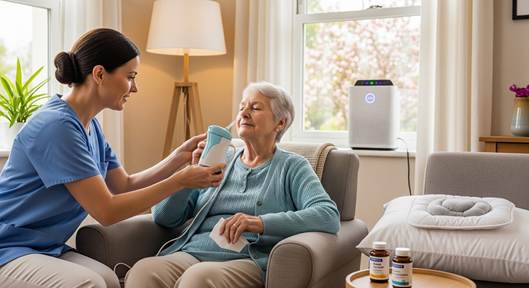
Medical treatment is only one part of allergy management—consistent daily support ensures that care plans are followed. That’s where in-home caregivers make a transformative difference.
Teams from Alpenglow Homecare in Colorado (https://alpenglowcaresco.com/) provide compassionate, structured routines that make health maintenance more manageable for seniors. Their caregivers assist with tasks that directly influence respiratory comfort, including:
- Dusting and vacuuming with hypoallergenic filters.
- Maintaining humidity levels to prevent mold growth.
- Changing air filters regularly.
- Ensuring proper use of prescribed inhalers or allergy medications.
- Encouraging hydration and balanced nutrition.
By maintaining clean, safe living spaces and providing medication reminders, caregivers help bridge the gap between medical appointments and everyday life. The in-home support they offer also provides emotional reassurance, reducing stress—a known factor that can worsen allergy symptoms and respiratory inflammation.
How Primary Care Connects the Dots
While specialists treat specific conditions, primary care providers play a central role in coordinating overall health. At Grand Forks Clinic, physicians monitor chronic allergies and their impact on the body’s systems—tracking how symptoms affect sleep, nutrition, cardiovascular health, and mental well-being.
Primary care teams help identify when symptoms are allergy-related versus when they might indicate another underlying issue. They also ensure safe medication combinations, particularly for seniors managing multiple prescriptions.
By maintaining open communication between primary care, allergy specialists, and caregivers, families can prevent miscommunication, overmedication, or overlooked triggers that complicate recovery.
Creating an Allergy-Safe Home Environment
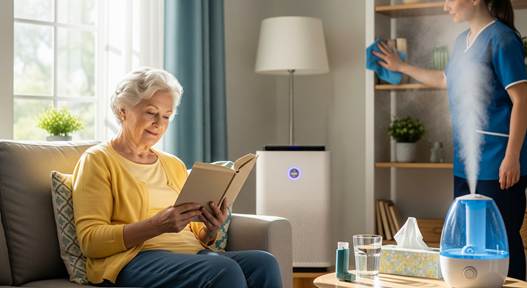
Improving indoor air quality is one of the simplest yet most powerful ways to support respiratory health for aging adults. Small environmental adjustments can significantly reduce allergic reactions and create a cleaner, more breathable home.
Here are a few strategies that caregivers and families can apply:
- Air filtration: Use HEPA filters and clean vents regularly.
- Bedding care: Wash sheets and pillowcases weekly in hot water to remove dust mites.
- Pet management: Keep pets out of bedrooms and groom them regularly.
- Moisture control: Use dehumidifiers to reduce mold growth in bathrooms or basements.
- Fragrance-free cleaning: Avoid harsh sprays or air fresheners that can irritate the lungs.
- Regular ventilation: Open windows briefly during low-pollen hours to circulate fresh air.
Combined with caregiver assistance and professional allergy management, these preventive measures make the home environment both healthier and more comfortable.
The Emotional Impact of Chronic Allergies
Living with constant congestion or shortness of breath can take an emotional toll. Many seniors express frustration or helplessness when physical limitations prevent them from participating in activities they enjoy. Over time, this can lead to isolation, fatigue, or symptoms of depression.
In-home caregivers, such as those from Alpenglow Homecare, often notice these subtle shifts early. They provide companionship, encourage light activity, and help seniors stay socially connected—whether through phone calls, hobbies, or short walks when it’s safe to do so.
Mental well-being is an integral part of overall health, including respiratory health. Reducing stress and loneliness helps regulate breathing patterns and improves the body’s immune response.
Integrating Allergy Management Into Whole-Person Care
Allergy care is most effective when seen as part of a larger wellness strategy rather than a standalone treatment. A patient with asthma, for instance, may also benefit from nutritional guidance, gentle exercise, and regular follow-ups with both an allergist and primary care provider.
At West Hills Allergy & Asthma Associates, physicians work to identify environmental, dietary, and lifestyle triggers that may compound allergic reactions. Meanwhile, Grand Forks Clinic helps patients manage these conditions alongside other chronic health concerns like diabetes or hypertension, ensuring a holistic approach to care.
When this medical foundation is paired with consistent in-home caregiving, seniors experience better adherence to treatment and fewer flare-ups. Together, these coordinated services create a circle of support that protects respiratory health while promoting independence.
A Family Approach to Long-Term Wellness
Families are often the silent coordinators of senior care. They schedule appointments, manage medications, and ensure communication between multiple providers. By understanding how allergy management fits into overall wellness, family members can better advocate for their loved one’s needs.
Simple steps—like attending appointments with their loved one, asking about new allergy triggers, and ensuring the home remains dust-free—make a significant difference. When families partner with in-home caregivers, they gain reassurance that daily routines are maintained even when they can’t be physically present.
This shared effort between family, caregivers, and healthcare professionals ensures that older adults receive continuous, attentive, and compassionate support.
Everyday Tips for Seniors to Breathe Easier
Practical lifestyle habits can empower seniors to take an active role in managing their allergies and respiratory health:
- Monitor symptoms daily: Keep a small log of breathing patterns, congestion, or sleep quality.
- Stay hydrated: Water helps thin mucus and reduce airway irritation.
- Exercise moderately: Gentle stretching or walking improves lung capacity and circulation.
- Maintain medication schedules: Consistent use of prescribed inhalers or antihistamines prevents flare-ups.
- Avoid triggers: Limit outdoor exposure on high-pollen days and keep windows closed when necessary.
These habits, when reinforced by caregivers and primary care providers, foster a sense of autonomy and wellness for seniors navigating chronic allergies.
Conclusion: Breathing Well Is Living Well
For older adults, breathing comfortably is more than a physical function—it’s the foundation of independence, rest, and connection. When allergy management, primary care, and in-home support come together, they create a system of care that nurtures every aspect of health.
Through proper testing, routine follow-ups, and daily caregiver attention, seniors can enjoy cleaner air, safer routines, and greater peace of mind. The goal is not only to treat symptoms but to create an environment where aging adults can thrive—breathing easier, living actively, and feeling supported at every step.