
Author

Raymond Cole

Browsing

Obesity is a complex disease primarily caused by an imbalance between the calories you consume and the calories your body uses. Besides obesity Valhalla being a cosmetic concern, it is also a medical problem that increases your risk of other health problems like diabetes, hypertension, heart disease, and certain cancers. Obesity is mainly a result of lifestyle choices like poor eating habits and lack of enough physical exercise. However, people can be predisposed to obesity due to other factors, including genetics and certain medical conditions. Read on to learn about the risk factors for obesity.

Genes

You are more likely to be heavier if you have first-degree relatives who are obese; these include your parents or siblings. Some genes influence your metabolism – how efficiently your body converts food to energy. Genes can also affect your appetite level and the amount of calories your body expends during physical activity. As such, obesity tends to run in families; besides the genes they share, family members tend to have similar eating and activity habits.

Lifestyle choices

Lifestyle factors such as consuming too many calories and not engaging in physical exercise predispose you to obesity. You can quickly gain weight if your diet consists of fast food and high-calorie beverages but lacks fruits and vegetables. Eating oversized portions also contributes to weight gain. Liquid calories from alcohol and sugary soft drinks can also contribute to significant weight gain.

As previously mentioned, obesity primarily stems from an imbalance between the calories you consume and the ones your body burns. Therefore, having a sedentary lifestyle puts you at risk of being obese because you can easily take in more calories than you burn through exercise and everyday activities. You want to minimize the hours you spend in front of a screen since it is highly associated with weight gain.

Certain medical conditions and medications

While obesity is typically related to diet and exercise levels, sometimes it can be traced to certain diseases such as Crushing syndrome, Prader-Willi, and other conditions. Medical problems like arthritis make your joints painful and stiff, leading to a decreased activity which may cause weight gain. Other health conditions that may cause weight gain include insulin resistance, polycystic ovary syndrome, menopause, and hypothyroidism.

Several medications can cause you to gain weight, especially if you do not watch your diet or exercise. Examples of medications associated with weight gain include antidepressants, antihistamines, corticosteroids like prednisone, anticonvulsants, beta-blockers, and diabetes medications.

Age

You are more likely to gain extra weight as you age due to hormonal changes and a less active lifestyle. Additionally, your muscle mass becomes low, causing a decrease in metabolism. All these changes reduce the body’s calorie needs, making it harder for you to keep off excess weight. Therefore, you will likely gain weight if you don’t consciously watch what you eat.

If any of the above factors apply to you, it is best to take action to address the cause. Fortunately, even small adjustments to your diet and lifestyle add up eventually.

For tips on how to reduce your risk for obesity, consult your provider at Advanced Surgeons.

Urban gardens have evolved from rooftops and open spaces to exquisite oases created on balconies, terraces, and patios. While urban gardeners have yet to squeeze usable growing space out of small spaces, they want the look of their gardens to reflect the modern and sophisticated decor of their homes, effectively expanding their urban outdoor living space.

Sustainable design.

The challenge of designing a small outdoor garden space that includes interior design can be solved with a growing selection of modern planters. Small spaces are just made for pots, allowing gardeners to grow vegetables, herbs, berries, and other plants anywhere there is sunlight.

Today’s urban growers are also more sophisticated about the health of their plants and the nutrition they provide. The advantage that planters in this area offer is control. With individual pots, gardeners can precisely control the soil and fillers and the sunlight each plant receives. In addition, growing plants in pots rather than directly in the ground reduces the risk of soil-borne diseases, minimizes weed headaches, and controls the moisture content of each plant.

Lightweight fiberglass and fiberboard planters are economical and environmentally friendly options for outdoor planting. These handy and durable planters can be easily moved between indoors and outdoors and offer design freedom while providing versatility for the outdoor gardener, allowing you to easily rearrange to suit seasonal needs or change layouts in tight spaces.

Modern landscaping design

Modern plant pots serve a dual purpose. In this way, urban gardeners can be creative and individually helpful with a personal touch. Read online at this link. A growing trend in urban gardens is minimalist design. A simple urban garden can be created in a single pot, perhaps galvanized steel with a single plant, or filled with an array of non-toxic herbs, vegetables, and flowering plants. These settings can be changed seasonally, maintaining a beautiful and functional garden all year round. Not all plants are suitable for growing in containers.

There are more dwarf trees, including fruit trees, ornamental plants, evergreens, and many varieties of vegetables specifically bred for container growing. In addition to plants, the planter can add color or texture to an urban garden. Planters come in various sizes, shapes, and styles, accommodating everything from large trees to growing plants and small decorative items.

Conclusion

As one urban designer said, Using free-standing pots to grow plants and crops can greatly benefit urban gardeners. The variety of layouts and locations will unleash the creativity of growers, and, perhaps most importantly, the plants will be protected from polluted urban soil.

Receiving news after being diagnosed with a heart or vascular condition can be frightening. The reason is that most people view these conditions as fatal and more likely to result in death. However, it is not the case because there are various therapies available to improve heart and vascular functioning.

A good diet and exercise can prevent these conditions and serious complications such as stroke and heart attack. You can therefore seek Prime Heart and Vascular services to help in early diagnosis and treatment of these conditions before serious complications develop. Below are some common heart and vascular conditions you should know about.

Heart failure

It is a condition characterized by a weak heart that can no longer pump enough blood to other body parts. Generally, your heart comprises muscles that contract and relax to push blood into veins and arteries. The blood in arteries supplies oxygen and nutrients to other body parts.

The veins return blood to your heart and the cycle continues. Common symptoms of heart failure include chest pains, shortness of breath, palpitations, fatigue, or loss of appetite. Some of the causes of heart failure include tumors in the heart, arrhythmia, valve disorders, lung disease, or structural abnormalities.

Heart attack

Myocardial infarction or heart attack occurs when blood flow to your heart gets blocked. The blockage may be due to the accumulation of cholesterol, fat, or other substances that form plaque in the arteries leading to the heart. As time goes by, the plague breaks and forms a clot.

The clot interferes with blood flow or destroys a part of the heart muscle. Common heart attack symptoms include sudden dizziness, fatigue, shortness of breath, cold sweat, and tightness in the chest. You should seek emergency care after experiencing these symptoms because a heart attack is often fatal.

Peripheral artery disease

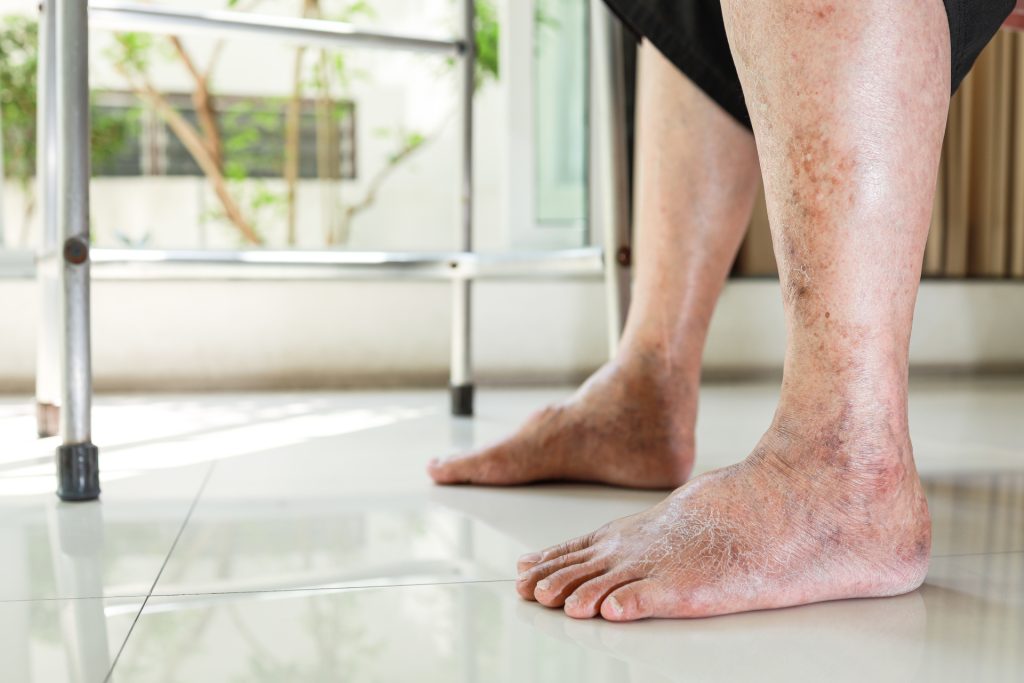
The accumulation of a plague in your arteries commonly causes peripheral artery disease. As a result, it affects blood circulation in various body parts. It commonly restricts blood flow in your feet, legs, and toes. Reduced blood circulation can lead to leg pain with exertion or rest.

In other cases, you might also experience skin discoloration and wounds that fail to heal for weeks. You might also feel cold, weakness, and numbing in your legs. Common peripheral artery disease risk factors include heart disease, diabetes, and hypertension.

Hypertension

It is a common condition when the blood your heart is pumping exerts a lot of pressure on your blood vessels. Hypertension puts undue stress on your blood vessels and heart as well. When the stress is exerted for a very long time, it damages your blood vessels leading to plaque formation.

A plague consists of waste products and cholesterol circulating freely in the blood. The plaque accumulates inside your artery wall, causing it to narrow. Common causes of hypertension include smoking, some medications, and many others.

Heart and vascular conditions have become common due to most people’s sedentary lifestyles. Usually, they do not exercise and like high cholesterol diets, which increases your risk for such conditions. Therefore, diet and lifestyle modification can greatly reduce your risk of heart and vascular conditions.

You can schedule your appointment at Prime Heart and Vascular today and undergo screening for heart and vascular conditions. The care providers usually use imaging tests to confirm some conditions because most heart and cardiovascular conditions may present with the same symptoms. Ensure you seek immediate help on the onset of any of the above symptoms.

Pregnancy ushers in many physiological and endocrinological changes as the body prepares to create a conducive environment for the developing baby. Postural adaptations, pelvic changes, a protruding belly, and an increased back curve are some of the changes that can cause a misaligned spine or joints. All these changes can cause pain and discomfort. However, reaching out to a chiropractor Houston will help make your journey flawless. Moreover, chiropractic care helps ease the symptoms of fatigue, nausea, and back pain prevalent among pregnant women. Other reasons to consider chiropractic care include;

  1. Easier Labor and Delivery

Regular chiropractic adjustments during pregnancy ensure that your spine, pelvis, and hips are well-aligned and that the nerves are optimally functional. The nerves control your contractions and cervical dilations during labor. As such, optimal nerve health ensures that you experience a quick and easier delivery with less pain and discomfort. For women wanting to go through the natural birthing process, chiropractic care alleviates the risks of prolonged labor.

  1. Optimal Baby Positioning

When a baby is not in a position to be delivered head first during labor, this is known as breech positioning. A breech position can cause a host of issues, including highly difficult vaginal birth, cord prolapse, and even C-section delivery. Chiropractic care during pregnancy ensures healthy pelvic balance, creating enough space for the baby to move into a head-first position during labor. For the eighth month of pregnancy, you should increase your chiropractic visits to ensure that the baby attains optimal positioning.

  1. Relief from Back Pain

Back pain is a common complaint in pregnant women. It often results from loosened joints and ligaments as the body prepares for labor. The hormone relaxin induces laxity in the muscles, joints, and ligaments in the pelvic area as the body adjusts to the growing baby. Regular adjustments throughout pregnancy offer relief from the pain or injury that result from spinal instability of loosened joints and ligaments.

  1. Posture Support

The growing belly can cause you to attain a poor posture and an arched back. This can happen unknowingly as the body tries to adjust to the growing baby, and you may suffer from spine misalignment. However, routine chiropractic adjustments help with posture correction and will also ease your back pain. Additionally, during the sessions, you will learn ways to keep a straight back to prevent strain on your back.

  1. Continued Wellness even after Pregnancy

If you frequent your chiropractor’s office, chances are the benefits of chiropractic care will last beyond your delivery period. Proper spinal alignment helps moms avoid injury, especially when breastfeeding, lifting the baby, or when holding the baby for extended periods. Moreover, your body can heal and bounce back quicker if you have been receiving routine chiropractic adjustments.

Chiropractic care helps expectant mothers move in harmony with their changing bodies. This helps reduce stress, pain, and injuries that occur as the body adjusts to the developing baby. Through the care, you can experience improved overall health for you and the baby and help ward off complications that may present before and after birth. Moreover, prenatal chiropractic care warrants a safe, comfortable, and healthier pregnancy.

Crohn’s disease is an inflammatory illness of the gastrointestinal tract. Alongside ulcerative colitis, it is one of two inflammatory bowel diseases. It usually affects the small intestine but can occur anywhere along the gastrointestinal tract, from the mouth to the anus. It causes irritation and swelling, which may result in symptoms like rectal bleeding, weight loss, diarrhea, and abdominal pain. Unfortunately, Crohn’s disease is a lifelong medical condition with no certainty. Nonetheless, Huntersville Crohn’s Disease care can help you manage your symptoms and avoid the complications that may arise from them. These complications can include the following: 

Kidney and Liver Problems

While uncommon, Crohn’s disease can affect your liver and kidneys. This is because they are located close to the small intestine, which, when inflamed, may swell and exert pressure on these organs. When Crohn’s disease affects your kidneys, you may experience complications like uric acid stones, kidney stones, and hydronephrosis. Hydronephrosis is a medical condition characterized by dull pain near the kidney and blood in the urine. In terms of the liver, the problem is usually caused by inflammation of the organ due to Crohn’s disease or its treatment. You may experience prolonged periods of fatigue or more serious medical conditions like pancreatitis, hepatitis, gallstones, or fatty liver disease.

Eye Problems

Crohn’s disease and the inflammation it causes can affect your eyes. You may develop episcleritis, which is the inflammation of the area below the conjunctiva and the most common complication of the disease. While it usually affects one eye, it can affect both, causing intense redness, burning, itching, and pain. Episcleritis does not harm your vision, but it can cause constant pain that worsens when you move your eyes. Over time, this pain can become so severe as to affect your sleep.

Bone Loss

Bone loss is a common complication associated with Crohn’s disease. It can be caused by the disease itself but can also result from the medications used to treat Crohn’s disease. Whatever the cause, the processes that may lead to bone loss work by stopping your body from absorbing calcium, which is crucial for bone formation. They can also force your body to eliminate calcium when you urinate or promote the production of cells that help disintegrate bones, among other things.

Skin Problems

Skin problems associated with Crohn’s disease are rare but can occur. When they do, they can include pyoderma gangrenosum – a condition characterized by pus-filled sores that appear after skin trauma. You may also develop mouth ulcers or canker sores, or Erythema nodosum, which are small red nodules that appear on your ankles, shins, or arms. More commonly, Crohn’s disease can cause skin tags. These are small skin flaps that appear around the anus and can cause irritation.

Delayed Physical Development

This complication is more common in children diagnosed with Crohn’s disease. The condition may cause delayed physical development and slow growth, so your child weighs less or is shorter than their age mates. They may also experience delayed puberty.

You Can Manage These Complications

According to medical data, Crohn’s disease affects about 3.1 million adults in the US. The effects on children can be as serious as those on adults. And while there is not much your doctor can do to heal this condition, they can help you manage your symptoms. They can also help you assess and reduce your risk of these complications. To learn more, contact a qualified provider today.

Pregnancy is a miraculous period in a woman’s life filled with excitement, anticipation, and, in some cases, concerns about health and well-being. For women who have undergone gastric sleeve surgery, these concerns about both mother and baby can be heightened. In this article, we discuss what to expect and consider when planning a pregnancy after gastric sleeve surgery.

The Importance of Timing

It is crucial to allow your body enough time to adjust to the changes brought about by gastric sleeve surgery before becoming pregnant. Most healthcare professionals recommend waiting at least 18 months to 2 years after your surgery before trying to conceive. This gives your body ample time to recover and reach a stable, healthy weight – a critical factor for a healthy pregnancy. Hence to understand the recovery time of gastric sleeve surgery, you may check out this blog post. It will help you to understand the time it takes for a patient to recover from the surgery and when to plan a pregnancy.

Nutritional Considerations

Gastric sleeve surgery reduces the size of the stomach and limits food intake, resulting in significant weight loss. However, this restricted capacity can also lead to malnutrition, which can have detrimental effects on both the mother’s and baby’s health during pregnancy.

Expecting mothers should work closely with their healthcare providers to ensure they receive all necessary nutrients, vitamins, and minerals. This may involve taking carefully selected supplements and eating small, frequent, nutrient-dense meals throughout the day.

Weight Gain During Pregnancy

Healthy weight gain during pregnancy is vital for both mother and baby. Women who have had gastric sleeve surgery may be concerned about regaining weight, but it’s essential to understand that some weight gain is normal and necessary for a healthy pregnancy.

Your healthcare provider can help you set a target range for pregnancy weight gain based on your unique situation while also providing guidance on achieving that range. Furthermore, it’s important to understand gastric sleeve surgery is a major surgery and may pose a certain issues during pregnancy, such as gestational diabetes or low birth weight. Regular prenatal appointments with your healthcare provider can help monitor these risks and address any potential issues promptly.

Post-Pregnancy Weight Management

After giving birth, some women who underwent gastric sleeve surgery may struggle with weight management due to increased appetite and hormonal changes. This can be particularly challenging during the postpartum period when self-care may take a backseat to parenting responsibilities.

It is essential to establish a healthy routine during this phase, including regular exercise, proper sleep, and a balanced diet. If needed, seeking professional guidance from your healthcare provider or a bariatric specialist can help manage weight regain and any associated risks.

Additionally, if you are someone preparing to undergo gastric sleeve surgery but worried about its effect on future pregnancies, consult with a bariatric specialist about these issues before proceeding with the procedure. You may also check out https://bariatricsurgeries.com/procedures/gastric-sleeve/ for more information.

To Wrap Up

Gastric sleeve surgery can be a beneficial tool for achieving healthy weight loss, but it is important to understand the potential issues and considerations when planning a pregnancy after the procedure. Taking your time pre-pregnancy and working with your healthcare provider throughout the process can help ensure a comfortable and healthy journey for both mother and baby. Thanks for reading.

Vertical blinds are a popular type of window covering that feature a series of long, vertical slats that hang from a headrail and can be rotated to control the amount of light and privacy in a room. These blinds are made from a variety of materials, including vinyl, fabric, wood, and aluminum, and come in a range of colors, patterns, and textures to suit any decor style.

Unique feature

One of the unique features of vertical blinds is their versatility. They can be used in a variety of settings, including homes, offices, and other commercial spaces, and can be customized to fit any window size or shape. They are particularly well-suited for larger windows and sliding glass doors, where their vertical orientation allows them to be easily opened and closed without obstructing the view or taking up valuable floor space.

Advantage

Another advantage of vertical blinds is their ease of use. They can be operated using a variety of control mechanisms, including a wand or cord to rotate the slats, and a cord or chain to open and close the blinds. Some models even come with motorized options, allowing them to be operated with the touch of a button or remote control.

Aesthetic appeal

In addition to their functionality, vertical blinds are also a popular choice for their aesthetic appeal. They offer a sleek and modern look that can complement a wide range of interior design styles, from minimalist to traditional. The wide range of materials and colors available means that there is a vertical blind to suit any decor scheme, and they can be easily coordinated with other window treatments and accessories.

Controls light

One of the key benefits of vertical blinds is their ability to control the amount of light and privacy in a room. The slats can be rotated to let in more or less light, or to adjust the angle of the light entering the room. This allows for greater control over the ambiance of the space, and can help to reduce glare and protect furniture and other surfaces from sun damage.

Helps maintain privacy

Vertical blinds are also an effective way to maintain privacy in a room. When closed, the slats overlap to create a barrier that blocks the view into the room from the outside, while still allowing light to filter in. This makes them an ideal choice for bedrooms, bathrooms, and other areas where privacy is a concern.

In terms of maintenance, vertical blinds are relatively easy to care for. They can be dusted or wiped clean with a damp cloth, and some models can even be removed from the headrail and washed in a washing machine. This makes them a low-maintenance option that can save time and effort in cleaning and upkeep.

In conclusion, vertical blinds are a versatile, functional, and stylish window treatment option that offer a range of benefits for any space. Whether you are looking for a way to control light and privacy, enhance the aesthetic appeal of your home or office, or simply make your daily routine a little easier, vertical blinds are a great choice that can provide lasting value and satisfaction.

Leather is a popular choice for sofa upholstery because of its durability, comfort, and luxurious look. It comes in different finishes and textures, such as full-grain, top-grain, and bonded leather. Full-grain leather is the highest quality and most expensive type, made from the top layer of animal hide. Top-grain leather is slightly lower in quality, but still durable and attractive. Bonded leather is a more affordable option, made from recycled leather fibers.

Fabric: Fabric upholstery is another popular choice for sofas. It comes in a wide range of colors, patterns, and textures, making it versatile and easy to customize. Common types of fabric upholstery materials include cotton, linen, wool, polyester, and microfiber. Cotton and linen are natural fibers that are breathable and comfortable but prone to wrinkles and stains. Wool is a durable and warm material, while polyester and microfiber are synthetic materials that are easy to clean and resistant to stains.

Velvet: Velvet is a luxurious and soft material that adds a touch of elegance to any sofa. It comes in different colors and textures, such as crushed and smooth velvet. However, it can be challenging to clean and maintain, and its color may fade over time.

choose the right upholstery material for your sofa

Choosing the right upholstery material for your sofa depends on various factors, such as your lifestyle, budget, and personal preferences. Here are some factors to consider:

Durability: If you have kids or pets, you may want to choose a durable and stain-resistant material, such as leather or microfiber. These materials are easy to clean and can withstand wear and tear.

Comfort: The upholstery material should be comfortable to sit on and touch. Fabric materials, such as cotton and linen, are breathable and soft, while leather and velvet provide a luxurious feel.

Style: The upholstery material should complement your interior decor style. For instance, if you have a modern interior, you may want to choose a leather or microfiber sofa, while a classic or traditional interior may require a velvet or fabric sofa.

Budget: The upholstery material you choose should be within your budget. Leather is the most expensive option, while fabric and microfiber are more affordable.

What are some tips for maintaining the quality of your sofa upholstery?

  • Vacuum regularly: Vacuum your sofa upholstery regularly to remove dirt, dust, and debris. This prevents the buildup of dirt and keeps the upholstery looking fresh.
  • Avoid direct sunlight: Direct sunlight can fade and damage the upholstery material. Place your sofa away from direct sunlight or use curtains or blinds to filter the sunlight.
  • Clean spills immediately: Accidents happen, and spills are inevitable. However, it’s essential to clean spills immediately to prevent them from setting into the upholstery material. Use a clean cloth or paper towel to absorb the spill and blot the area gently.
  • Follow manufacturer instructions: Different upholstery materials require different cleaning and maintenance methods.

Sofa upholstery refers to the materials that cover the sofa frame and cushions, providing a comfortable and visually appealing surface for users. The choice of upholstery material is crucial in determining the overall look and feel of the sofa.

Without a completely functional hipbone, standing, walking, running, or even dancing could be difficult. So, when you suffer from chronic hip pain and certain everyday activities suddenly become troublesome, it might feel like your life is at a standstill.

Unfortunately, hip pain is hard to self-diagnose as there are numerous causes of hip pain. Luckily, Dallas Mohammed Shaikh MD PA, can help by offering an accurate diagnosis and care plan. Meanwhile, here are some of the most common causes of hip pain you should know. 

  1. Core Muscle Injury

If you experience discomfort in your groin, it may be due to a core muscle injury like a tear or strain of muscles or other soft tissues in your lower abdomen. This injury is prevalent in persons who engage in sporting activities, particularly those involving extreme turning and twisting.

Unlike pro athletes, core muscle injuries are common in weekend warriors because they are not as athletically conditioned as they should be. Resting the injured muscles for several weeks could help. You might also have to repair the torn muscle through surgery.

  1. Osteoarthritis

Osteoarthritis is a condition that makes your joints swollen and stiff because of the breakdown of cartilage and inflammation, resulting in deformity and pain. Being highly active, such as participating in high-impact sports or running marathons, raises your risk of osteoarthritis.

Coupled with obesity, traumatic injury, and aging, the pain could become disabling. Determining the underlying cause of your osteoarthritis is the best way to establish an effective care plan.

  1. Bursitis

Bursitis may be to blame if it aches on the outside of your hip, buttocks, and/or thigh. Bursitis is the swelling of the pillow-like fluid sacs that keep muscles and tendons rubbing directly against the bone.

While climbing stairs or walking for prolonged periods can worsen bursitis, this condition is usually not associated with activity-related discomfort. Bursitis is more common as you age. If RICE therapy fails, your specialist may suggest cortisone injections to alleviate the swelling.

  1. Labral Tears

The labrum is a cartilage ring surrounding the hip pocket that ensures the ball of your thigh bone remains in position. Once the labrum tears, it causes discomfort in the groin area or hip and restricts motion, creating a sensation that the hip is clicking, locking, or catching.

A labral tear is common in persons with anatomic anomalies that render their hips overly shallow or individuals with previous hip injuries. The discomfort from these labral tears often does not subside, so a professional consultation is necessary. 

  1. Tendonitis

Tendons are the fibrous structure necessary for joining the muscles to the bone. Once the tendons in your hip become irritated, swollen, or inflamed, they can result in significant discomfort. Tendonitis can develop in any of the tendons surrounding the hip joint.

Common risk factors for tendonitis are overuse or injury of the tendons, which explains tendonitis is common in athletes. Tendonitis can also develop as you age due to the tendons gradually losing elasticity. Whatever the case, your specialist should provide the right solution.

Numerous conditions can cause hip pain. Some conditions are more severe than others. Therefore, it is crucial not to self-diagnose and instead seek professional treatment, especially if you experience chronic pain that limits your everyday activities.

The milder causes of hip pain are treatable with conservative treatments like heat and cold therapy, pain medications, physical therapy, and more. However, if your hip pain is chronic or ongoing, you can explore interventional treatments such as epidural steroid injections.

Home Blinds

It is indeed crucial to pick the ideal blinds for your house. They affect a room’s overall appearance and feel and the degree of privacy, light control, and energy efficiency in your place. Making the best choices might be overwhelming with so many options available. To help you make an informed decision, here are questions to ask when selecting home blinds:

1. WHAT IS THE PURPOSE OF THE BLINDS?

The first question to ask yourself is why you need blinds in the first place. Are you looking for privacy or light control, or do you want to reduce energy costs by regulating the temperature in your home? Or do you want to enhance the look of a room? Knowing the purpose of the bedroom blinds will help you determine the right type and style to fit your needs.

2. WHAT STYLE OF BLINDS WILL COMPLEMENT THE ROOM?

Once you determine the purpose of the blinds, consider the style that will best complement the room. Some of what you will see are roller, Roman, vertical, and horizontal blinds. Each has its unique look and feel that can dramatically change the ambience of a room. If you have a modern or minimalist aesthetic, consider roller blinds in a neutral colour.

3. WHAT MATERIAL IS BEST SUITED FOR THE SPACE?

The material you choose for your home and office blinds in Singapore can also impact the look and functionality of the room. Different materials have different levels of durability, light control, and energy efficiency. Some materials used for blinds include wood, aluminium, fabric, and PVC.

4. HOW WILL THE BLINDS BE INSTALLED?

Consider the installation procedure prior to choosing your blinds. You should ensure the blinds get installed to provide proper performance and safety. Certain blinds may be trickier to install than others. Use cordless blinds to reduce the risk of strangulation if you have kids or animals in your house.

5. WHAT IS YOUR BUDGET?

Consider your budget when choosing home and customised blinds because the cost can vary widely depending on the style, material, and size. Choose blinds that fit within your budget while still meeting your functional and aesthetic needs. If you are on a tight budget, consider aluminium or PVC blinds, typically more affordable than wood or fabric options.

Choosing the right blinds for your home requires careful consideration, and these questions can help you select the blinds that best suit your needs and preferences. If you also want to check outdoor shades, visit the website of Ziptrak.